The nation’s latest jobs data has revealed unemployment nudged up, but not enough, major banks have warned, to dull the prospect of further rate hikes.
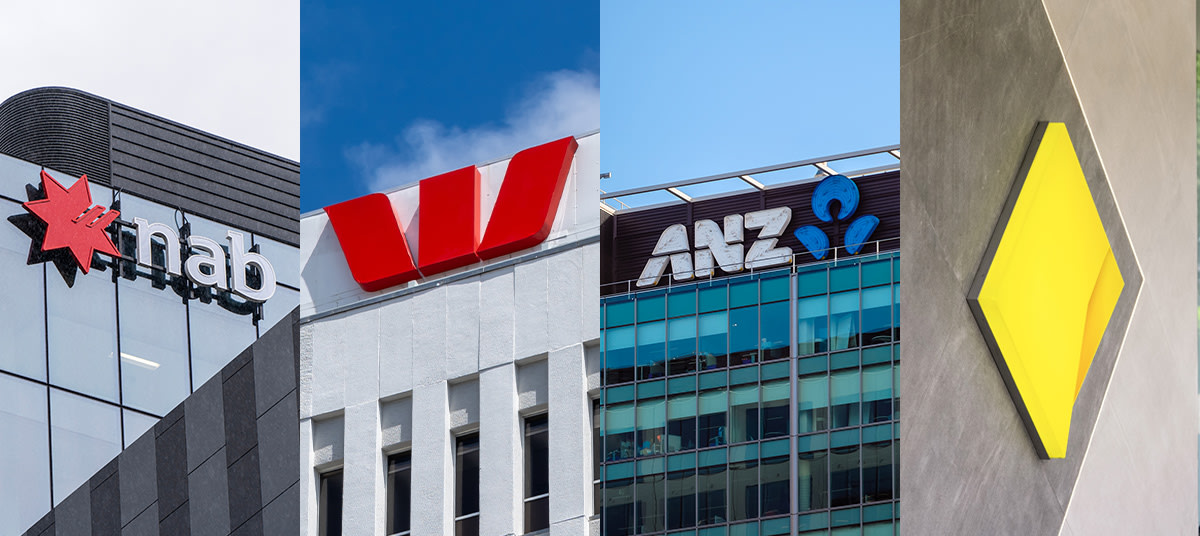
Australia’s unemployment rate rose in February, even as employment growth beat expectations, yet all four major banks have said that the modest softening is unlikely to dissuade the Reserve Bank of Australia (RBA) from delivering another cash rate hike in May.
The Australian Bureau of Statistics (ABS) reported on Thursday (19 March) that the seasonally adjusted unemployment rate lifted to 4.3 per cent in February, from 4.1 per cent in January.
In trend terms, the unemployment rate edged down to 4.2 per cent.
The data comes after the RBA moved to hike the official cash rate by 25 basis points on Tuesday (17 March), taking it to 4.10 per cent, with markets and major bank economists broadly predicting another rise in May to rein in stubbornly high inflation.
ABS highlights more people stuck in unemployment
ABS head of labour statistics, Sean Crick, said the rise in the jobless rate reflected both stronger labour supply and a greater number of people remaining out of work.
“The number of unemployed people grew by 35,000, contributing to the 0.2 percentage point increase of the unemployment rate in February,” Crick said.
He emphasised that the usual early‑year flow of people from unemployment into work was weaker than in recent years.
“This month we saw fewer people who were unemployed and waiting to start a job in January move into employment in February, compared to recent Februarys,” he said.
“We also saw more people remaining unemployed this month compared to recent Februarys.”
Yet metrics such as the underemployment rate sitting at 5.9 per cent and an employment‑to‑population ratio of 64 per cent point to a labour market that has eased from its tightest point but remains tighter than the RBA’s estimate of full employment.
Westpac: Strong jobs gain keeps pressure on RBA
Westpac economist Ryan Wells said the jobs growth side was notably stronger than expected, complicating any narrative of a weakening market.
“Employment surprised to the upside in February, rising +48.9k, above Westpac’s and the market median forecast for a +20k lift,” he said.
Wells said that the figures sat uneasily with the RBA’s characterisation earlier in the week that “the labour market had tightened a little recently”, a key plank in the board’s explanation for hiking the cash rate.
However, he stressed that geopolitical and inflation risks were now firmly front of mind for policymakers.
“The current focus and concern for the RBA will now be on risks emanating from the Middle East conflict. Hence, today’s data is unlikely to materially alter policy considerations,” Wells said.
NAB: Labour market still tighter than ‘full employment’
National Australia Bank (NAB) said the higher unemployment rate sat alongside other indicators that were consistent with a labour market that was still tighter than the RBA viewed as sustainable.
“Although the unemployment rate rose, employment growth was strong, and other indicators such as the underemployment rate (5.9 per cent) and employment‑to‑population ratio (64.0 per cent) were steady,” NAB said.
NAB assessed that the February numbers marginally eased concerns that conditions were continuing to tighten.
“This is not expected to have a material impact on the RBA but at the margin will reduce emerging concerns that the labour market was even tighter than they had assessed in February,” NAB said.
Yet the bank added that “NAB continues to expect the RBA will hike rates further in May.”
ANZ warns tightening cycle not over
Australia and New Zealand Banking Group (ANZ) head of Australian economics, Adam Boyton, described the figures as sending mixed signals, yet said the statistics were consistent with its view of a slow loosening in labour conditions over the year ahead.
“We generally view the February labour force data as mixed,” Boyton said.
Looking ahead, ANZ said it expected policy tightening already in the system to increasingly bite.
“We predict labour market conditions to ease over 2026. The 50bp of tightening delivered so far this year, alongside a likely final 25bp increase in May and the energy price shock, should weigh on demand and growth and gradually loosen labour market conditions,” he said.
Boyton outlined that the latest data was unlikely to shift the RBA’s overarching assessment that the labour market remained tight.
CBA: Labour still ‘on the tighter side’, CPI now critical
Commonwealth Bank of Australia (CBA), which is also predicting the board to hike by 0.25 per cent at its May meeting, said the balance of evidence continued to show that the labour market was yet to cool.
“In totality, the data today suggests the labour market remains on the tighter side,” Belinda Allen, CBA’s head of Australian economics, said.
Allen also cautioned that global developments could weigh on growth even as domestic capacity pressures linger.
“Downside risks are building given the war in Iran and rising energy costs. We do see upside risks to the unemployment rate from here,” she said.
She added that “in the near term we expect the RBA to remain focused on the inflation side of its mandate. The February CPI next week will be critical”.
Her comments reinforce that inflation data, as opposed to a single month of unemployment figures, would be the decisive input as to whether the board proceeded with another 25-bp move in May.
[Related: RBA hikes cash rate as Middle East conflict bites]
Want to see more stories from trusted news sources?
Make The Adviser a preferred news source on Google.
Click here to add The Adviser as a preferred news source.