Fresh guidance from AUSTRAC has warned lenders to lift verification standards as it continues its ongoing assessment into suspected large‑scale mortgage fraud.
The Australian Transaction Reports and Analysis Centre (AUSTRAC) has revealed how it is working with major banks, law enforcement, and other regulators to map the extent of increasingly complex loan scams throughout the sector.
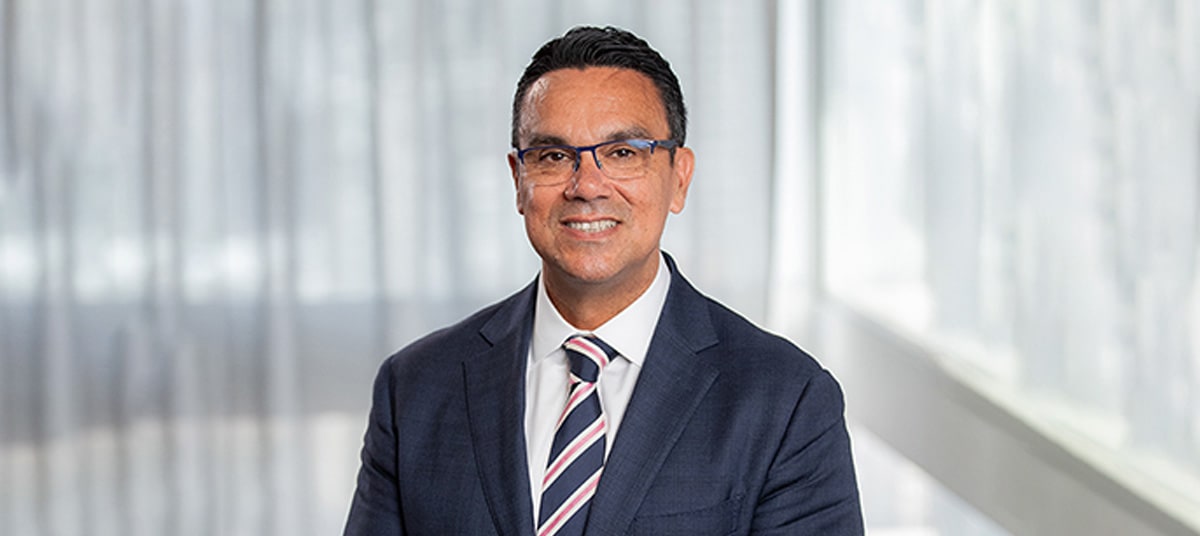
AUSTRAC CEO Brendan Thomas told The Adviser that the watchdog was assessing how widespread mortgage fraud had become, after revelations that a sophisticated syndicate may have duped Commonwealth Bank of Australia (CBA), booking up to $1 billion of home loans using falsified documents and other intricate structures.
AUSTRAC sets out expectations for lenders
Thomas stressed that the starting point for shutting down mortgage‑based money laundering schemes was tougher scrutiny at every step of the origination chain.
“When every professional involved in a transaction is required to know who they are dealing with and question the source of funds, it becomes significantly harder for false documents, synthetic identities or illicit money to move undetected,” he said.
He also highlighted the central role of the Fintel Alliance public‑private partnership, which brings together AUSTRAC, the top 10 lenders, federal agencies, and major payments and gaming companies to pool intelligence on emerging risks.
“Through our public-private-partnership, Fintel Alliance, AUSTRAC is engaging with law enforcement, government partners, and the 10 banks that constitute Australia’s top lenders, with data sharing underway to build a clear intelligence picture of mortgage fraud risk,” Thomas said.
He said that the alliance was already sharing loan data to detect patterns that individual institutions could have potentially overlooked.
As part of that effort, AUSTRAC confirmed that it was drawing together information from banks and government agencies to build a consolidated view of the threats.
“We are working closely with our partners to bring together relevant intelligence,” Thomas said.
Focus on sophisticated laundering and regulatory gaps
AUSTRAC noted that its review was zeroing in on the way falsified income documents, synthetic identities, and professional facilitators had allegedly been used to wash criminal proceeds through residential property.
“Our priority is understanding the scale and sophistication of mortgage fraud, including the possible use of false documents, synthetic identities and professional facilitators, which can allow criminal funds to be embedded in high value assets like property,” Thomas said.
He also framed the mortgage scandal as evidence that gaps in the anti‑money‑laundering and counter‑terrorism‑financing (AML/CTF) regime needed to be closed, including around gatekeeper professions that help prepare loan applications.
“This issue underscores why Australia is strengthening its AML/CTF framework to close long standing gaps that criminals have been able to exploit,” Thomas said.
AUSTRAC confirmed in mid-March that it was using information supplied by CBA, which self‑reported concerns about potentially fraudulent loans, to hunt for weaknesses in banks’ AML systems and identify common control failures.
The watchdog is further examining data from at least 10 major lenders, which began sharing home‑loan information with AUSTRAC in March.
ASIC probes conduct as industry warns of AI‑generated fakes
Corporate regulator ASIC has also been drawn into the affair, with commissioner Kate O’Rourke confirming to a parliamentary committee in early March that the agency had received detailed information on the suspected fraud.
She told MPs that ASIC was “at the point of making compliance inquiries with respect to those issues”, noting that “conduct issues would be of particular focus for ASIC” as it works alongside AUSTRAC and police on potential breaches of financial services law.
According to material provided to regulators and reported by The Australian Financial Review, some of the suspect loans involved income documents that were either heavily doctored or generated using artificial intelligence tools, raising concerns that traditional manual checks could no longer reliably detect forgery at scale.
The frauds are believed to involve proceeds from crimes, such as drug trafficking, prostitution rackets, and modern slavery, with syndicates allegedly using property purchases and refinances to disguise the origins of illicit funds.
Push to expand data access through CDR
In a sign of how seriously the sector is treating the threat, peak industry bodies wrote to Treasurer Jim Chalmers on Tuesday (7 April) calling for the Consumer Data Right (CDR) to be expanded to include Australian Taxation Office income data and structured ASIC registry information.
The open letter was penned by the Australian Banking Association, and co-signed by other finance associations, including the Mortgage and Finance Association of Australia, the Customer Owned Banking Association, the Australian Finance Industry Association, and Fintech Australia.
It said that secure, consent‑based access to “points of truth” such as notices of assessment and company records, would allow lenders to verify borrower income and ownership structures directly against government sources, rather than relying on documents supplied by applicants.
The groups said this shift would help financial institutions spot AI‑generated payslips and forged financial statements, better detect complex or fast‑changing corporate structures, and reduce the risk that organised crime groups could move between banks undetected.
Their intervention comes as the government progresses plans to extend CDR coverage to non‑bank lenders, which would broaden the data pool used in credit assessment across the $2.4 trillion home‑loan market.
[Related: Calls mount to use ATO data in open banking to reduce fraud risk]
Want to see more stories from trusted news sources?
Make The Adviser a preferred news source on Google.
Click here to add The Adviser as a preferred news source.