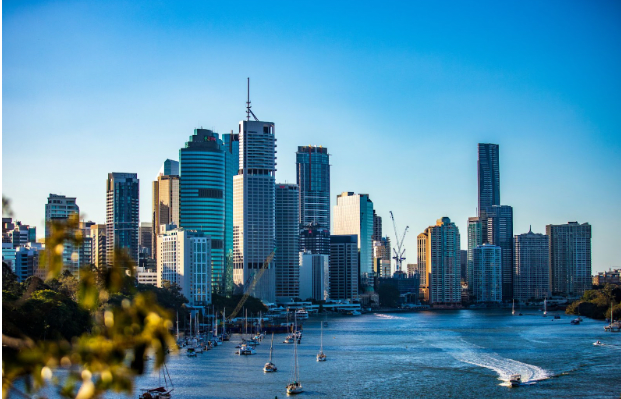
Brisbane continues to attract attention from property investors across Australia. Strong population growth, relative affordability compared to Sydney and Melbourne, and ongoing infrastructure development have helped position the city as an appealing investment market.
Key Highlights
- Brisbane investment properties often involve additional costs beyond the purchase price, which many investors underestimate when first entering the market.
- Upfront expenses such as stamp duty, inspections, and finance setup fees can significantly increase the total funds required before settlement.
- Ongoing costs including property management, insurance, council rates, and maintenance can affect the long term cash flow of an investment property.
- Understanding these hidden costs early allows investors to budget more accurately and make more confident property investment decisions.
Many buyers entering the Brisbane market focus on purchase price, expected rental income, and long term capital growth when deciding whether a property will perform well.
However, the true cost of purchasing an investment property often extends beyond the advertised price. Additional expenses can appear throughout the buying process and during the early stages of ownership, and these are easy to overlook if investors focus only on the purchase price and deposit. In many cases, working with a mortgage broker in Brisbane can help uncover these costs earlier, allowing buyers to plan their finances with greater clarity.
Understanding these expenses before committing to a property helps investors avoid unexpected pressure after settlement and make more informed decisions about the properties they pursue.
Stamp Duty and Government Charges
Stamp duty is one of the largest upfront expenses investors face when purchasing property in Queensland. Unlike owner occupiers, property investors generally do not qualify for the same concessions or discounts, which means the full duty amount applies in most cases.
The amount payable depends on the purchase price of the property. As property values increase, the stamp duty payable can quickly become a significant addition to the total funds required at settlement. For example, a higher purchase price can add tens of thousands of dollars to the overall transaction cost.
Alongside stamp duty, buyers also encounter government registration and transfer fees. These include the cost of registering the property title and transferring ownership into the buyer’s name. While these charges are smaller than stamp duty, they still form part of the upfront expenses investors need to account for when calculating their total budget.
Being aware of these costs early allows investors to plan their deposit and settlement funds more accurately.
Building and Pest Inspections
Building and pest inspections are another important step when purchasing an investment property in Brisbane. These inspections help identify structural issues, termite activity, moisture damage, and other problems that may not be visible during a regular property inspection.
Brisbane has a large number of older homes, many built several decades ago. While these properties can offer strong investment potential, they may also require careful inspection before purchase. Termites in particular are a well-known issue in Queensland, making pest inspections an essential part of the due diligence process.
The cost of these inspections may seem relatively small compared to the purchase price of a property, but the information they provide can be extremely valuable. In some cases, inspection reports uncover issues that allow buyers to negotiate repairs or adjust the purchase price before settlement.
For investors, these inspections provide reassurance that the property is structurally sound and suitable for long term ownership.
Loan Setup Costs and Finance Fees
Financing an investment property often involves several costs that buyers may not initially consider. Lenders commonly charge fees for loan establishment, property valuation, and loan documentation.
A property valuation is typically required by the lender to confirm the property’s market value before approving the loan. This process helps the lender assess risk and determine the appropriate lending amount. While the valuation fee is usually modest, it forms part of the overall cost of arranging finance.
Loan establishment fees may also apply depending on the lender and the loan structure. These costs can vary between lenders and may depend on the type of loan product selected.
Because lending structures, interest rates, and borrowing capacity can vary significantly, many investors benefit from reviewing their options carefully before committing to a loan. This is one reason investors seeking guidance from a Brisbane mortgage broker often review their finance strategy early in the buying process to understand the full financial picture before purchasing a property.

Property Management and Ongoing Holding Costs
Once an investment property settles, the financial responsibilities continue. Many investors choose to engage a property manager to handle tenant selection, rent collection, inspections, and ongoing administration.
Property management services typically involve a management fee calculated as a percentage of the weekly rent. In addition to this fee, investors may also pay letting fees when a new tenant is secured.
Beyond management costs, property owners must also account for regular expenses such as council rates, water charges, and landlord insurance. If the property is part of a townhouse or apartment complex, body corporate fees may also apply.
These ongoing costs play an important role in determining the actual return on an investment property. Rental income may appear attractive at first glance, but holding costs can influence the final cash flow outcome.
Investors who carefully estimate these expenses before purchasing are better positioned to assess whether a property aligns with their financial goals.
Maintenance and Unexpected Repairs
Maintenance is an unavoidable part of owning any investment property. Even well-maintained homes will eventually require repairs, replacements, or general upkeep.
Common maintenance issues include plumbing repairs, electrical work, appliance replacement, and general wear and tear between tenants. Over time, items such as hot water systems, air conditioning units, and roofing materials may also require replacement.
Older Brisbane homes may require additional attention depending on their age and construction style. Timber homes, which are common across many suburbs, may need periodic maintenance to remain in good condition.
For investors, setting aside funds for repairs helps protect against unexpected expenses that could otherwise affect rental income or short term cash flow.
Why Understanding the Full Cost Matters
Hidden costs do not necessarily make property investment less attractive, but they do influence how investors plan their finances. A clear understanding of upfront expenses, financing costs, and ongoing property ownership expenses allows buyers to approach investment decisions with greater confidence.
When these costs are considered early in the process, investors can evaluate properties more accurately and determine whether the potential rental income and long term growth prospects align with their financial goals.
Taking the time to understand the full cost of purchasing and holding an investment property helps investors make informed decisions and avoid surprises after settlement.
Want to see more stories from trusted news sources?
Make The Adviser a preferred news source on Google.
Click here to add The Adviser as a preferred news source.