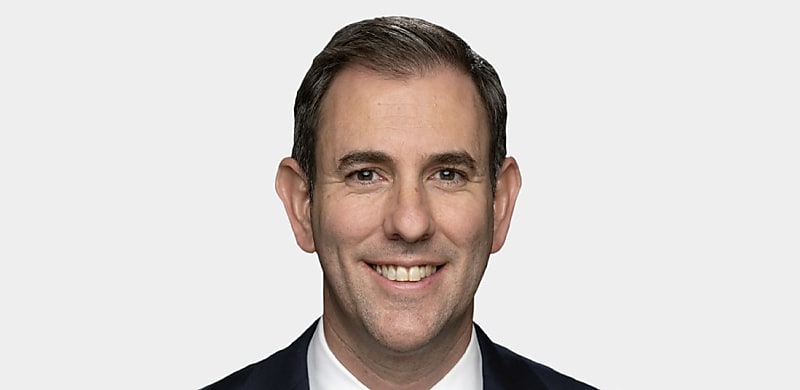
Treasurer Jim Chalmers has responded to a broker petition calling for the cancellation of clawbacks – insisting that amending the existing system “raises complexities”.
Treasurer Jim Chalmers has responded to a September 2024 broker petition calling for the cancellation of clawbacks and the refunding of commissions – framing the government’s position as a deliberate balance between consumer protection and market stability.
In September 2024, Paula Parola, Western Australian-based finance broker and director of Alorap Creations, petitioned the government to overhaul the clawback regime as a result of the introduction of the Best Interest Duty.
In the petition, which gathered more than 2,000 signatures, Parola argued that the current design placed disproportionate strain on small to medium-sized firms and risked undermining client trust.
The petition demanded three concrete changes, including:
- The immediate cancellation of all pending clawbacks since BID’s inception
- Refunding clawed-back commissions that had already been collected, and
- The government to provide clear transitional guidance to ensure compliant behaviour without retroactive penalties.
It also asked the Treasurer to allow all loan products to be offered by finance brokers to clients and further ensure that brokers were contacted and paid when their client took out any additional lending products.
The finance broker said that a more predictable framework would reduce cash-flow stress and preserve the integrity of the credit advice process – especially during a period of regulatory evolution.
“Clawbacks are no longer relevant and occurs [sic] during the term of the loan when the lender cannot price match competitors so clients refinance or may sell the property,” the petition read.
“Banks will take up to 100 per cent of the upfront commission off the finance broker which sees them unpaid for the loan and out of pocket for their time and expenses.”
Chalmers rebuffs clawback petition and signals cautious path
Federal Treasurer Jim Chalmers presented his response to the petition to the House on Monday (9 February) and said that the government was committed to structured refinements as opposed to sweeping reversals.
The response to the chair of the Standing Committee on Petitions, Jodie Belyea, which is dated 4 November 2025, reads: “Broker commissions are ultimately a commercial matter for negotiation between brokers and lenders and, subject to the existing regulatory framework, the government does not prescribe situations in which such arrangements should be entered into.”
“The clawback arrangements entered with each credit provider may vary and have adapted over time, driven by market competitive pressures and a desire by lenders to attract referrals from brokers.”
It continues: “The government notes the petition’s request to remove clawbacks and refund those charged since the introduction of the best interests duty. While we understand that some brokers feel these arrangements no longer reflect the reality of their obligations, implementing a prohibition on clawbacks or retroactive refunds on clawbacks raises complexities.”
He emphasised that clawbacks were a tool to ensure ongoing compliance with the Best Interest Duty, and that abrupt cancellations or refunds could undermine deterrence, create confusion, and destabilise regulator expectations.
“Removing clawbacks could lead to adjustments in overall commission structures, potentially reducing the upfront or trailing commissions brokers receive or increasing costs for consumers. Similarly, retrospective refunds would require altering commercial agreements and introduce uncertainty for lenders and brokers,” he said.
While stopping short of agreeing to wholesale refunds or a moratorium on clawbacks, he hinted at the government’s willingness to review feedback and consider implementation nuances, such as transitional arrangements and clearer guidance on eligibility criteria for refunds.
“We remain open to ongoing dialogue and monitoring of broker remuneration practices, including clawback arrangements, to ensure that the market continues to operate efficiently, transparently, and in the best interests of consumers,” Chalmers said.
He stressed that any changes would be pursued through an evidence-based review, keeping the door open to practical changes while underscoring the policy’s protective intent.
“The government continues to listen to brokers, lenders and borrowers on these issues, supports a strong and growing mortgage broker industry and acknowledges the benefits the industry brings to Australian households and the Australian economy more broadly,” he said.
Broker urges Chalmers to rethink response
Noting the response, Parola told The Adviser that several points were not addressed in the response (including the refund element) and reiterated her wish for clawbacks to be scrapped.
“Removing clawbacks creates a more honest banking system,” she said.
She argued for a time-bound, transparent refund mechanism for clawbacks already collected and asserted clear transitional guidance was needed to minimise disruptions so brokers could plan cash flows and service commitments.
Parola also noted that banks “make their money in six months” and renewed her calls for an alternative clawback structure which would be fairer for brokers, while ensuring consumer outcomes were protected.
“We are the only industry to not get paid for services when we provide a new client to the bank, [we] cannot negotiate the commission, and – should the client wish to refinance due to interest rate hikes – the upfront commission is taken off us within the first year at 100 per cent and 50 per cent in the second year...” she said.
“So, I would really like to see the government realign all lending to six months clawback of up to 100 per cent, then 6-12 months clawback of 50 per cent as a compromise.”
She added she also wanted to see “a partial refund of clawbacks for those loans over 12 months”.
“We really need the government to align this within the industry," Parola continued. "We want the industry to be treated fairly and, currently, it isn’t.”
Reiterating the need for a level playing field, Parola said all loan products needed to be broker-accessible and that brokers should be compensated when clients take additional lending products beyond the initial loan.
[Related: 28% of brokers emotionally impacted by clawbacks]
Want to see more stories from trusted news sources?
Make The Adviser a preferred news source on Google.
Click here to add The Adviser as a preferred news source.