The RBA governor has signalled that the tightening cycle may not be over yet, adding that inflation remained too high for comfort.
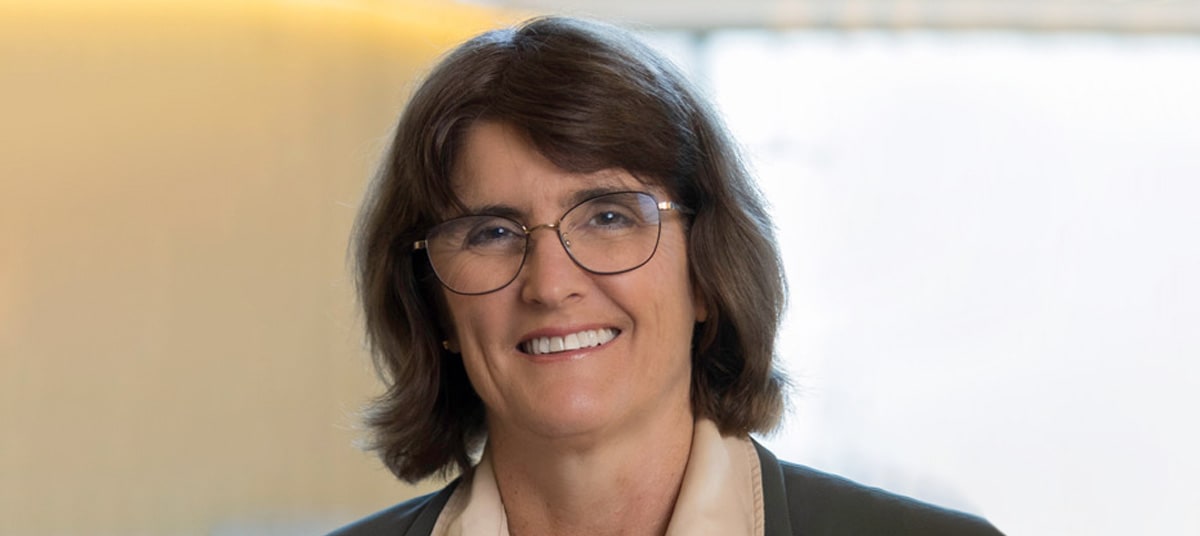
Reserve Bank of Australia (RBA) governor Michele Bullock has said that further interest rate rises remain possible, insisting inflation is still too high even as the central bank left the cash rate steady at 4.35 per cent at its June meeting.
Explaining the board’s call, Bullock said that the decision to pause should not be read as a declaration that the job was finished.
She said the choice to keep the official cash rate unchanged “did not rule out further tightening in monetary policy, if that is what is required to bring inflation down”.
Drilling into that message, she said to reporters she could not promise borrowers that rates had peaked.
“I guess what I’m saying is, I can’t rule out that if inflation doesn’t respond in the way we expect it to do, then we might have to do more. I’m just not ruling that out,” Bullock said.
“I understand that this is difficult period for all households. That’s why it’s so important we get on top of inflation now. High inflation hurts all Australians, especially the most vulnerable.”
She also said that a rate hike was not actively debated at the June meeting.
Bullock explicitly said that the current level of price growth was unacceptable, telling journalists: “I want to be very clear that inflation remains too high.”
She said the board chose to pause in order to gauge how previous rate hikes were feeding through to activity and prices.
However, when speaking about interest rate cuts, Bullock said that waiting for perfect confirmation could mean acting too late.
“So, I do think the board really still tries to think in those terms, that if you wait... call it snapping the inflation stick, if you absolutely wait until you’ve got all the evidence, and you’re looking in the rear vision mirror. It’s probably too late,” she said.
Bullock also acknowledged the growing division among economists as to whether the RBA was primed to hold, raise, or cut interest rates.
“There’s a bit of a split here, I think, among the economists. I think some are calling for cuts, but not till next year, so it’s not imminent,” she said.
“I wouldn’t be jumping on those numbers quite so firmly. I think we do need to wait.”
Bullock says growth must slow
The governor was quizzed on whether the RBA’s current forecasts implied an outright downturn, with Bullock rejecting that characterisation, saying that while growth needed to weaken, the bank was not predicting the economy to contract in the near term.
“We are not forecasting that the economy is going to shrink this quarter,” Bullock said.
“We are forecasting that growth is going to slow, but growth has to slow. That’s what’s needed to try and get inflation down.”
Housing and global uncertainty
Bullock was asked how much of the recent softening in activity, including in housing, could be attributed to the three rate increases delivered so far this year.
“We’ve also seen conditions in the housing market ease in recent months, although we think that probably only partly reflects tighter monetary policy,” she said.
On whether cooling property prices would aid the inflation task, Bullock cautioned against overinterpreting early moves in dwelling values.
“It’s worth noting that it wasn’t too long ago that we were talking about how housing prices were rising very quickly and they were very high, and in fact, they were at very high ratios relative to income,” she said.
“So will this help in terms of the wealth effect? Possibly. But there’s a whole lot of things going on here. So I think it’s too early to say that it’s definitely going to be something that will slow the economy and work in favour of us.”
On the international front, Bullock welcomed reports of a deal between the US and Iran to end the conflict in the Middle East and reopen the Strait of Hormuz, but said that the economic fallout was not far from over.
“If the conflict does end and the Strait of Hormuz has reopened, this should support the flow of commodities and lower prices, but this could take some time and orderly resolution is still not assured, meaning there are still upside risks to inflation and downside risks to growth,” Bullock said.
Chalmers hails ‘reprieve’ and defends record
Treasurer Jim Chalmers welcomed the board’s decision to hold the cash rate, casting it as a small but meaningful break for indebted households.
“This is reassuring in the face of all of this global economic volatility,” he said, adding that the government was “realistic about how long it will take for the global economy to normalise”.
“The end of this war can’t come soon enough.”
Chalmers also pushed back against criticism of the government’s handling of inflation, saying that price growth had slowed materially since Labor came to office.
“Inflation is much, much lower than it was when we came to office. When we came to office, it was north of 6 per cent and surging. We have made some good progress,” he said.
[Related: RBA announces latest cash rate call]
Want to see more stories from trusted news sources?
Make The Adviser a preferred news source on Google.
Click here to add The Adviser as a preferred news source.