Westpac has ripped up its rates roadmap, now predicting two extra hikes after May, which would push the cash rate to its highest level in almost two decades.
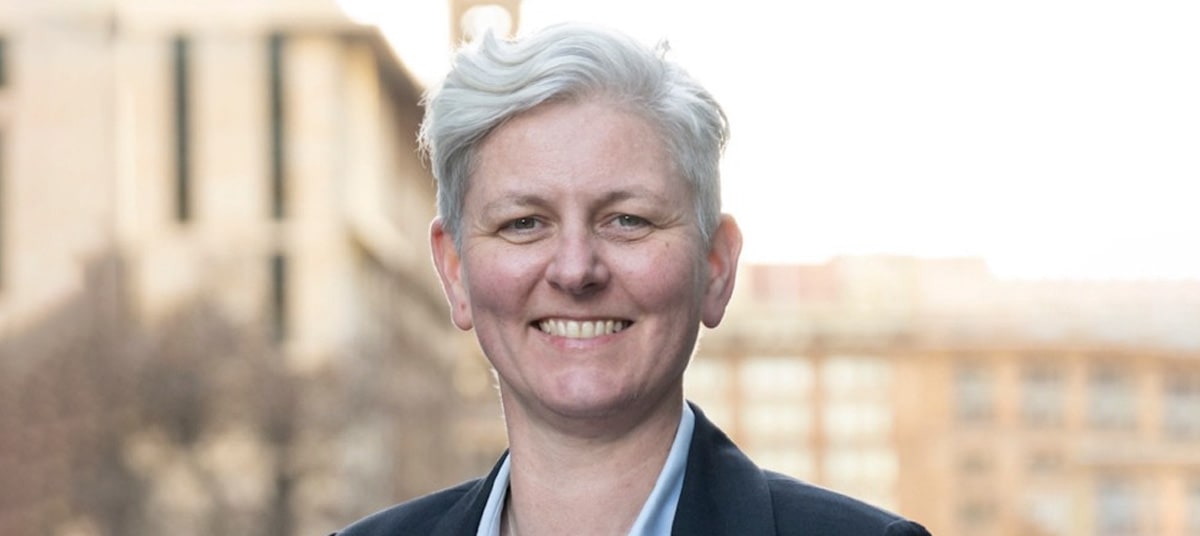
Westpac chief economist Luci Ellis has overhauled the bank’s interest rate outlook, now forecasting back‑to‑back 25-basis-point hikes in June and August on top of a widely expected May move. This would lift the cash rate to 4.85 per cent, the highest cash rate recorded since the global financial crisis in 2008.
Westpac breaks from the major‑bank pack
Until now, all four major banks – Commonwealth Bank of Australia (CBA), National Australia Bank (NAB), Australia and New Zealand Banking Group (ANZ), and Westpac – had been united in projecting only one final 25-basis-point increase at the May meeting.
They then predicted a long period on hold.
Ellis’ new call marks a clear break from that consensus, with Westpac adding two extra hikes to the profile and pushing the expected start of rate cuts out to 2028.
The economist said she now expects the Reserve Bank of Australia (RBA) to raise the cash rate at its 16 June and 11 August meetings, on top of the May rise.
This follows February and March’s back‑to‑back 25-basis-point hikes, which brought the cash rate to its current level of 4.10 per cent.
This new profile implies that mortgage rates and other borrowing costs will sit at their highest levels since the late‑2000s financial crisis and well above what markets and most forecasters had been assuming only weeks ago.
Oil shock, pass‑through, and the fuel excise cut
Ellis said the main driver of the rethink was the worsening global energy shock stemming from the ongoing war involving Iran, the US, and Israel, which has effectively closed the Strait of Hormuz for around eight weeks, sending oil and petrol prices sharply higher.
Westpac’s revised baseline now assumes a longer disruption to fuel supply and a slower recovery in shipping, with the bank stating that the crisis would feed through domestic prices more quickly and broadly than initially expected.
Ellis said the faster‑than‑anticipated pass‑through of fuel and other oil‑derived costs into a wider range of Australian prices would force the central bank to lean harder on policy.
“We believe the RBA will respond to this pricing behaviour by tightening monetary policy by more than would have been needed absent that pass‑through,” she said.
Despite the national cabinet announcing on Monday (30 March) that it would halve the fuel excise for three months, Ellis said the bank expected headline CPI inflation to peak at about 5.4 per cent year on year in the June quarter.
She said the tax cut would do little to offset higher prices for aviation fuel, plastics, and inputs affected by damage to gas and production facilities in non‑combatant Gulf states.
On underlying inflation, Ellis said the bank expected trimmed mean inflation (the RBA’s preferred metric) to peak at around 4 per cent later this year, underscoring that price pressures would remain well above the RBA’s 2–3 per cent target band.
She noted that much of the second‑round price pressure would be likely to persist even once petrol prices started to ease, making the current episode more than a short‑lived energy spike.
Higher rates, softer economy, and a slow unwind
Ellis added that a higher and longer‑lasting cash rate path would have a significant impact on the economy and growth, especially household spending and labour demand.
Westpac now sees economic growth slowing further and unemployment rising to around 5 per cent, up from the 4.7 per cent peak it was flagging just last week, as businesses and households adjust to substantially higher borrowing costs.
Despite this weaker growth backdrop, Ellis said she did not expect the RBA to move quickly once it reached the peak.
“We think the RBA will be slow to reverse this policy tightening and risks getting behind the curve in coming years,” she said.
Westpac is pencilling in four 25-basis-point cuts – one each in February, May, August, and November 2028, yet acknowledged “low conviction” about the exact timing.
In Ellis’ words, the eventual easing was likely to be shaped by a “one bitten, twice shy” mentality, where the experience of strong second‑round pass‑through “will only increase the RBA’s reluctance to unwind the current policy tightening”.
[Related: CBA warns inflation spike could force post-May hike]
Want to see more stories from trusted news sources?
Make The Adviser a preferred news source on Google.
Click here to add The Adviser as a preferred news source.