Two in five prospective first home buyers do not feel confident navigating the home loan market without professional help, according to a new survey.
The findings come in a YouGov survey, commissioned by the Mortgage & Finance Association of Australia (MFAA), which spoke to 2,057 Australians who plan to buy property within the next three years.
The survey, which included 561 prospective first home buyers, was conducted between 12 and 24 August 2026 and comes amid a changing economic environment.
It found that 39 per cent of prospective first home buyers do not feel confident navigating the home loan market without professional help.
Indeed, when asked what kind of help they would seek out, just under 60 per cent said they would trust a broker with their purchase, while just over half (52 per cent) named a financial adviser, and 44 per cent said they would trust their lender.
Moreover, 86 per cent said they would be likely to use a mortgage and finance broker for their next home loan, refinance, or property purchase, with 37 per cent saying they were very likely to use a broker. Only 2 per cent of respondents said they would be very unlikely to do so.
The growing influence of credit advisers builds on the recent record share of home loans being written by brokers – a record 81.6 per cent of Australia’s new residential home loans went through brokers in the June 2026 quarter, according to Cotality data commissioned by the MFAA.
However, the need for home loan support comes amid a property market dichotomy.
While house prices have begun falling recently, potentially attracting new buyers into market, there are growing expectations that interest rates on home loans will continue to rise, with all four major banks changing their cash rate forecasts to include a rate hike next week (29 September).
Money markets are also increasingly expecting the cash rate to rise for the fourth time this year. As at 21 September, the ASX 30-day interbank cash rate futures October 2026 contract was trading at 95.43, indicating an 88 per cent expectation of an interest rate increase to 4.60 per cent at the next RBA board meeting.
For a household with a $600,000 loan, a rise of that size would add close to $100 to monthly repayments if passed on in full by their lender. It would also take around $13,000 off what that same household could borrow.
2 opposing forces in property
As such, the MFAA noted that Australian first home buyers are caught between two opposing forces: homes that are getting cheaper, but loans that are getting more expensive and harder to service in the first place.
Indeed, the survey showed that the majority of prospective home buyers believed keeping up with repayments and saving for the deposit were their biggest challenges in entering the market.
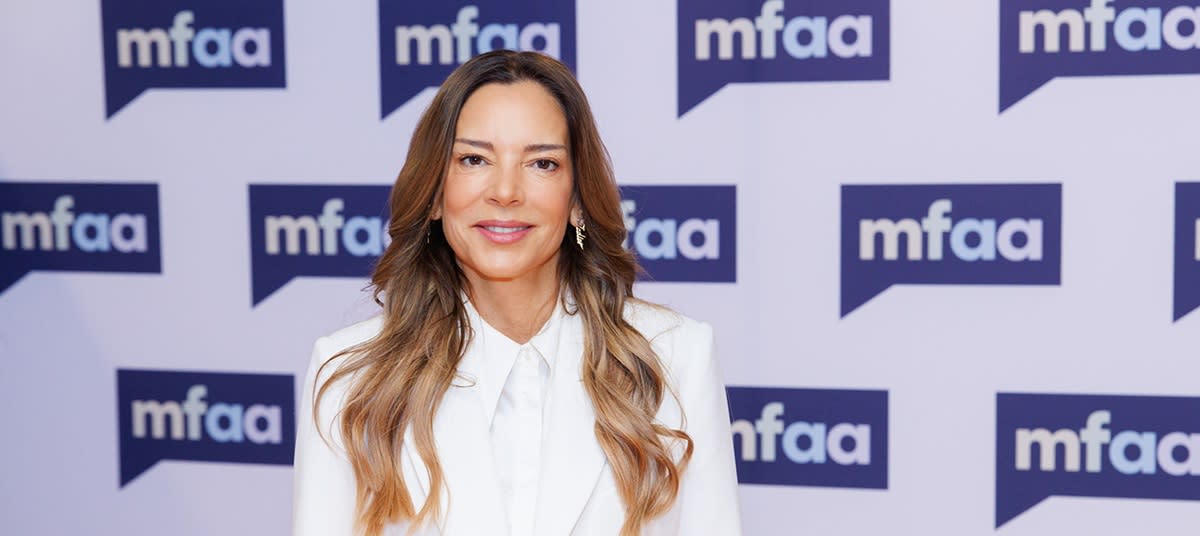
MFAA CEO Anja Pannek said the combination creates a complicated picture for people trying to buy their first home.
“For a first home buyer, a rate rise isn’t just about higher repayments. It can also affect borrowing capacity. As interest rates rise, the rate lenders use to assess serviceability generally rises too, which can reduce how much a buyer is able to borrow,” the MFAA CEO said.
“A home that fitted the budget last month can suddenly sit just out of reach. That’s why the question we hear most isn’t just what the Reserve Bank will do next. It’s: ‘How much can we actually borrow now?”
She welcomed that prospective first home buyers were most likely to trust a mortgage broker when buying property or applying for a home loan and added: “Every 38 seconds, a residential home loan is written through a mortgage and finance broker somewhere in Australia. Behind each one is a household… working out what they can afford and what might change.
“What we hear from our members is consistent. First home buyers aren’t looking for predictions. They’re looking for perspective.
“Falling prices may be opening doors that were closed six months ago, while higher rates are narrowing what people can borrow.
“Whatever the RBA decides on 29 September, the most useful step is the same: sit down with a mortgage broker and understand what your borrowing power looks like under different scenarios.”
All four major Australian banks now expect the Reserve Bank of Australia to raise the cash rate by 25 basis points at its September meeting next week, driven by rising oil prices from the Middle East conflict and increasingly hawkish inflation messaging from RBA governor Michele Bullock.
ANZ went a step further as the only major lender forecasting back-to-back increases in September and November, which would take the cash rate to a high of 4.85 per cent – a level not seen since 2008.
In response to this shifting outlook, industry groups have suggested that borrowers facing a more volatile interest-rate environment are increasingly needing debt restructuring and professional credit advice.
[Related: ANZ predicts back-to-back hikes as majors tip September rise]
Want to see more stories from trusted news sources?
Make The Adviser a preferred news source on Google.
Click here to add The Adviser as a preferred news source.