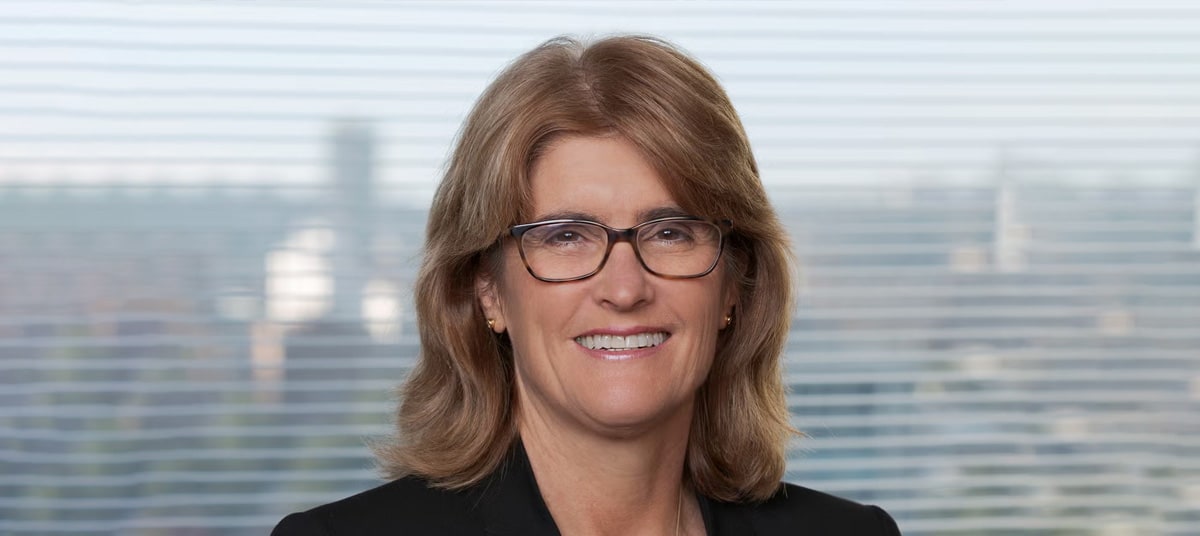
RBA governor Michele Bullock has said upside inflation risks are beginning to “materialise”, as financial markets price a strong chance of back-to-back hikes before year end.
Reserve Bank of Australia (RBA) governor Michele Bullock has said upside inflation risks identified by the central bank in August are beginning to “materialise”, as financial markets price a strong chance of a September cash-rate increase and further tightening before year end.
Speaking before Parliament’s standing committee on economics on Friday (18 September), Bullock said inflation had remained too high despite softer economic growth.
Escalating oil shock broadens inflation threat
Bullock said the RBA was currently watching for the way that rapidly rising fuel costs could filter through the broader economy.
She said businesses facing more expensive freight, energy, and other inputs had once again begun passing those costs onto customers, raising the risk that the external energy shock could become a more persistent domestic inflation problem.
“Higher oil prices have increased inflation directly through their impact on petrol prices, but it’s also had an indirect impact, as many firms have passed input cost pressures arising from elevated fuel prices through to the prices of other goods and services,” Bullock said.
“Because of these capacity pressures and the Middle East conflict, inflation is likely to remain elevated for some time.
“We’re not alone in being concerned about this. Inflation is too high, we are focused on getting it back down and making sure that it does not become embedded into price and wage setting decisions.”
Inflation risks now ‘materialising’, says Bullock
Bullock told MPs that the RBA’s latest forecasts had inflation returning to around the midpoint of its target range only in late 2027, with the Monetary Policy Board judging at its August meeting that the risks to that outlook were skewed to the upside.
She told the committee that events since then had heightened those concerns.
“Developments since then suggest that although growth in the Australian economy is slowing, some of these upside risks to inflation appear to be materialising,” Bullock said.
“Global cost pressures have increased, the Middle East conflict, the AI boom, and extreme weather events are contributing to upward pressure on a range of energy, agricultural, and technology-related prices.”
The governor added that the ongoing conflict had raised the prospect of a more prolonged energy-price shock, while liaison with businesses pointed to a widening pass-through of higher costs.
“There is little sign of resolution in the Middle East conflict, oil and related prices have increased sharply again, and will add directly to inflation,” she said.
“Through our liaison program, we’re hearing that many firms are passing on higher input costs. It is important that these effects remain contained and do not become embedded into wage and price setting decisions; otherwise, inflation could prove more persistent and require a stronger policy response.”
Bullock acknowledged the pressure that higher borrowing costs were placing on mortgagors, but stressed that bringing inflation under control remained the RBA’s priority.
“I recognise that higher interest rates are difficult for Australians with mortgages who are also facing cost of living pressures, but reducing inflation is essential,” she said.
Markets price a higher path
As at 17 September, the ASX 30-day interbank cash-rate futures October contract was trading at 95.45, implying an 82 per cent chance of a 25-basis-point increase in September from 4.35 per cent to 4.60 per cent.
Markets are also pricing in further quarter-point rises at the RBA’s November and December meetings, which would take the cash rate to 5.10 per cent if fully realised.
The official cash rate has not been above 5 per cent since December 2008.
Major bank economists have also moved away from extended-hold forecasts following July inflation data, which showed underlying inflation holding at 3.3 per cent.
The Commonwealth Bank of Australia (CBA), Australia and New Zealand Banking Group (ANZ) believe the RBA will hike once more in November, while the National Australia Bank (NAB) and Macquarie Bank are predicting a single September rise.
However, ANZ said on Friday that the risks had shifted further towards a faster and more substantial tightening cycle amid increasingly hawkish RBA rhetoric and elevated oil prices.
“While our base case is still for one hike in November, there is a growing risk of more and earlier hikes,” ANZ said.
“As we’ve noted before, a September hike would require the board to have a high degree of concern about the inflation outlook and would therefore be a hawkish signal, suggesting another hike in November.”
The RBA’s concerns have been echoed by the International Monetary Fund (IMF), which on Thursday urged the central bank to remain ready to lift rates if inflationary pressure persists.
It also cautioned the RBA not to ease policy until there was convincing evidence that underlying inflation was on a sustained downward path.
During her speech, Bullock noted that Australia was part of a broader global response to renewed price pressure.
“We’re not alone in being concerned about this. Central banks in many other advanced economies are responding to this global inflation shock by increasing their policy rates,” she said.
Last week, the US Federal Reserve unanimously lifted its benchmark rate by 25 bps to a 3.75–4 per cent range.
Speaking to reporters on Friday, Treasurer Jim Chalmers declined to predict the RBA’s next decision but acknowledged that the Middle East war was forcing policymakers internationally to confront higher inflation.
“If you look at the interest rate environment around the world, in every single major advanced economy, the market is expecting to see interest rate rises,” Chalmers said.
“Interest rates went up yesterday in the US. They went up, I think, last week in Europe, and the markets are expecting multiple interest rate hikes in other countries.”
[Related: RBA concerned rising oil prices could fuel inflation surge]
Want to see more stories from trusted news sources?
Make The Adviser a preferred news source on Google.
Click here to add The Adviser as a preferred news source.