
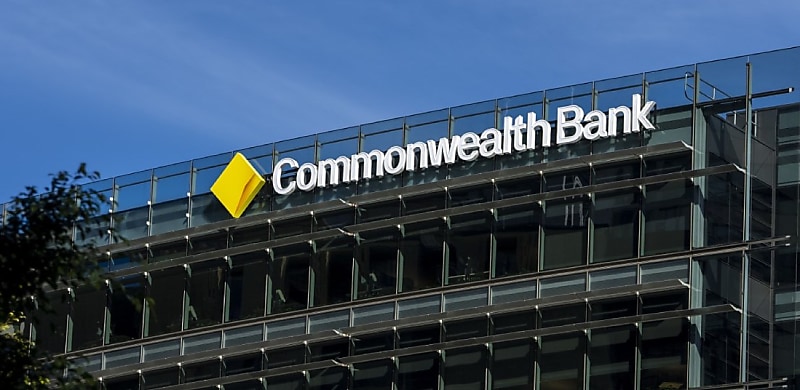
ASIC has launched civil penalty proceedings against CBA, alleging approximately 42,000 business customers were overcharged $8.5 million through undisclosed transaction fees.
The Australian Securities and Investments Commission (ASIC) has launched civil penalty proceedings against the Commonwealth Bank of Australia (CBA), alleging approximately 42,000 customers of its CommBiz business banking platform were overcharged $8.5 million through undisclosed transaction fees.
Announced on Thursday, (12 November), the action concerns charges imposed between November 2020 and 31 May 2025, however, ASIC alleges the problem stretched back around 19 years.
The proceedings come a day after Macquarie Bank admitted failures over its savings account Welcome Rate, with both matters highlighting ASIC’s scrutiny of whether banks are delivering the financial outcomes their customers are promised.
Extra charges behind everyday business payments
ASIC alleges CommBiz’s terms and conditions did not adequately explain all charges applying to direct debit and direct credit transactions.
Customers were told a fee applied when money moved to or from a third-party account, yet according to ASIC, CBA also charged for the corresponding movement through the customer’s nominated CommBiz account, without disclosing that additional fee.
In ASIC’s example, a business paying fortnightly wages to 10 employees from two CommBiz accounts incurred 12 fees: 10 for the employee payments and two additional, undisclosed charges for withdrawals from its own accounts.
ASIC commissioner Alan Kirkland said the alleged charging practices breached a fundamental commitment to business customers.
“We allege Commonwealth Bank broke a basic promise to its business customers, many of them small businesses, that the fees it told them they would pay were the fees they would actually be charged,” Kirkland said.
“Small businesses are busy enough. They should not have to scrutinise every transaction to make sure that their bank is charging them the right fees.”
Kirkland stressed that the regulator would pursue banks whose operational arrangements failed to support their commitments.
“ASIC will continue to take action where banks don’t have the systems and processes in place to deliver on the basic promises they make to their customers,” he said.
Complaints and audit preceded years of alleged overcharging
ASIC alleges the misleading terms were present when CommBiz launched in 2006, with CBA receiving complaints about the issue from at least 2015, while a 2016 internal audit identified direct debit fee overcharging and required corrective action
The regulator alleges governance failures prevented the statements from being identified and corrected, and that CBA failed to act efficiently, honestly and fairly.
Kirkland said the earlier warnings made the duration of the alleged conduct particularly troubling.
“What makes this particularly concerning is how long the alleged conduct went on, despite customer complaints to Commonwealth Bank pointing to a problem years earlier,” he noted.
"This action should serve as a warning to banks that failing to get the basics right will attract ASIC attention.”
ASIC is seeking declarations, financial penalties, adverse publicity orders, ancillary orders and costs.
CBA said it had self-reported the matter and co-operated with ASIC.
The bank’s remediation extends beyond the period covered by the $8.5 million allegation, with ASIC stating that CBA had paid more than $26.4 million to approximately 93,000 current and former CommBiz customers, including around 40,000 small businesses, under a program covering the period from 1 December 2006.
CBA temporarily stopped charging the relevant fees in June 2025, amended its terms that August and has waived the corresponding account-movement fees since February 2026.
Macquarie admissions reinforce scrutiny of banking promises
In the separate Macquarie matter, the bank admitted a contravention of the Corporations Act 2001 in NSW Supreme Court proceedings.
Macquarie and ASIC jointly proposed a $14 million penalty, subject to court approval, alongside $8.8 million already paid to nearly 40,000 customers.
ASIC alleged descriptions including “welcome variable rate” and “bonus” could suggest the Welcome Rate supplemented the standard variable rate.
Instead, it generally replaced that rate with a fixed rate for four months.
The advertising ran between December 2021 and September 2022 and ASIC said that as interest rates rose, the initial advantage could shrink or disappear. It added that where the standard rate overtook the Welcome Rate, customers received only the standard rate.
Macquarie admitted shortcomings in its customer statements and advertising framework.
Kirkland said customers should be able to rely on banks to honour both interest and fee commitments.
“Banks must get the basics right, which includes having systems and processes that deliver on the promises they make to customers. Customers should not have to scrutinise every transaction to check their bank has paid the correct interest or charged them correctly,” he said.
“This wasn't just unclear wording. Macquarie's systems and controls were not rigorous enough to identify the risk that customers would misunderstand how the Welcome Rate worked.”
Both actions align with ASIC’s enforcement priorities targeting misleading pricing practices and systemic failures at large financial institutions that cause widespread customer harm.
Kirkland said accurate savings information was especially important amid pressure on household budgets.
“At a time when Australians are contending with cost-of-living pressures, consumers deserve clear information about savings rates and the financial benefits they are promised,” Kirkland said.
[Related: Broker mortgage share rising at CBA despite proprietary push]
Want to see more stories from trusted news sources?
Make The Adviser a preferred news source on Google.
Click here to add The Adviser as a preferred news source.

