Industry leaders have backed stronger safeguards after AUSTRAC exposed vulnerabilities spanning Australia’s lending ecosystem.
Mortgage broking associations and fraud technology provider Fortiro have called for co-ordinated action across lending, referral, and verification channels after AUSTRAC identified potentially hundreds of millions of dollars in suspected fraudulent loans and referred parties to relevant authorities.
On Wednesday, AUSTRAC’s Fintel Alliance revealed data from its Operation Claw analysis of 10 large banks had uncovered co-ordinated suspected mortgage fraud and systemic weaknesses across the lending sector, with suspect lending largely linked to Sydney properties.
The intelligence agency said the fraud scheme was not confined to a single lender, with recurring warning signs including inflated income, misrepresented employment, fabricated or unverifiable business activity, and misleading documents.
The alliance also found cases in which offshore or third-party funds were used to settle property purchases and meet mortgage repayments.
AUSTRAC said that it had provided the names of individuals and entities potentially involved in submitting false loan documents to law enforcement and regulatory agencies, including ASIC, the Australian Taxation Office, and the Tax Practitioners Board.
Industry calls for stronger shared safeguards
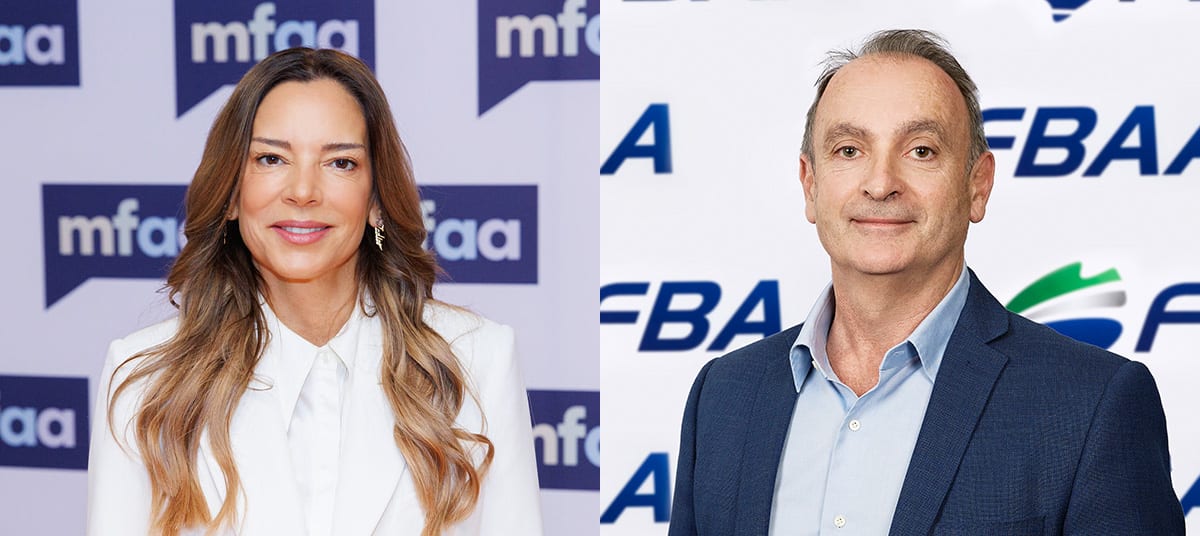
Speaking following the revelation, the Mortgage and Finance Association of Australia’s (MFAA) CEO, Anja Pannek, said the development demonstrated why the sector needed to respond collectively as financial crime methods evolved.
“The action being taken reinforces the importance of the industry continuing to work together to stay ahead of increasingly sophisticated and syndicated fraud,” she said.
“This is an issue the industry is alive to, and there is already important work underway.”
Pannek said the MFAA was already working with lenders and aggregators on a common approach to referral arrangements.
“MFAA is working with lenders and aggregators to develop a baseline referral framework aimed at strengthening consistency, oversight and safeguards across referral arrangements,” she said.
She also pointed to the potential for more robust, consent-based data verification, saying that the Consumer Data Right could offer a safer alternative to relying heavily on documents supplied during the lending process.
“We also see an important opportunity to strengthen verification at a system level. The MFAA has advocated for relevant ATO data to be made available through the Consumer Data Right, with appropriate consumer consent and safeguards, and we welcome Treasury progressing work in this area,” she said.
“Access to authoritative ATO data through the CDR could provide lenders and brokers with a more secure way to verify information, reducing reliance on documents that can increasingly be manipulated and providing another important layer of protection against mortgage fraud.”
The association CEO said protecting the integrity of the lending system would require ongoing co-operation between industry, government, and regulators.
“Fraud is becoming increasingly sophisticated, and addressing it requires a co-ordinated response across the lending ecosystem,” she said.
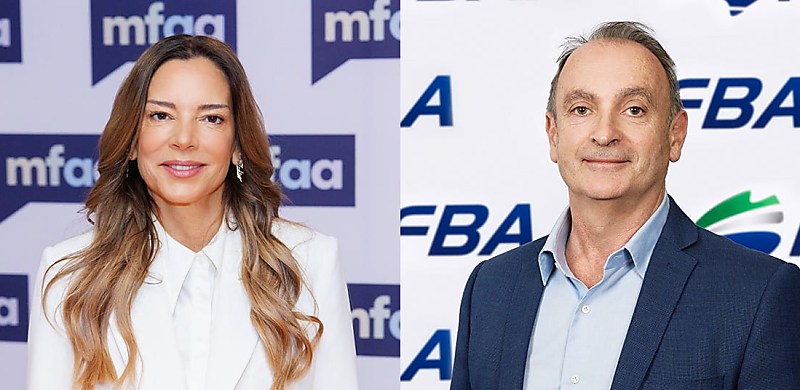
Similarly, the CEO of the Finance Brokers Association of Australia (FBAA), Leo Gagic, said the body supported action against mortgage fraud while emphasising that integrity and transparency remained fundamental to the profession.
“The Finance Brokers Association of Australia (FBAA) supports any move to combat mortgage fraud,” Gagic said.
“Any broker found to be engaging in such practices is not welcome in our industry, which places integrity, customer service and transparency at the very core of our operations.”
Gagic added that preserving confidence in lending required lenders, aggregators, brokers, and regulators to act together.
“The industry must work together to combat anything that is not best practice, and we stand ready to work with lenders, aggregators and regulators to ensure the integrity of our industry remains at the highest level,” he said.
While condemning any wrongdoing, Gagic said the activity identified should not be treated as representative of the wider broker channel.
“It should be noted that the recent action involves a miniscule percentage of brokers, and that overall, mortgage brokers are highly professional, which is why our industry is so trusted. The evidence indicates that this behaviour is limited to a few, however we acknowledge that even this is too many,” he said.
“We still do not have specific details of AUSTRAC’s investigation or what has been referred to law enforcement, but we note reports that this involves people across the mortgage sector including referrers like accountants and lawyers.”
Gagic said the association had repeatedly raised concerns about referrer practices and added that responsibilities to reduce fraud extended throughout the lending chain.
“The FBAA has consistently warned against the practice of referrers and notes that our stance is supported by the Hayne royal commission,” he said.
“Lenders have a responsibility like others across the industry to ensure they adhere to best practice and mitigate fraud.
“Our message to brokers is to adhere to your professional responsibilities throughout every loan process and provide honest and ethical guidance.”
Calls grow for intelligent verification
There has also been growing calls for better technology use to help identify fraud.
Fortiro co-founder and CEO Sean Quagliani said the scale of document fraud being detected warranted a more technology-enabled response.
“Sophisticated financial criminals have found a home in Australia – and it’s not surprising that AUSTRAC is concerned about invoices and payslips. Seven per cent of the documents we see, including a significant portion of invoices and payslips, exhibit signs of fraud,” he said.
“Broader reform has cut sophisticated fraudsters off from other forms of money laundering, such as gambling. It’s time for the mortgage industry to strengthen its controls because financial criminals will always exploit the weakest link.”
He said manual document checks alone could no longer provide a sufficient safeguard against increasingly sophisticated criminal methods.
“We’re past the point where human verification is enough. We need to lift standards across the entire sector to make sure that we’re capturing every possible signal of money laundering,” he said.
“This means that lenders need to be willing to add some intelligent friction to the process, ensuring that we know not just what is being lent against, but who is really being lent to. We need to act now to make it harder for financial criminals to do business in Australia.”
[Related: AUSTRAC refers brokers to authorities in mortgage fraud probe]
Want to see more stories from trusted news sources?
Make The Adviser a preferred news source on Google.
Click here to add The Adviser as a preferred news source.