Prospective brokers could face more rigorous practical assessments under a sweeping overhaul of industry qualifications.
Australia’s two peak broking associations and 11 major aggregation groups have mounted a united push to strengthen educational standards for incoming mortgage and finance brokers, advocating for more demanding practical assessments and a streamlined pathway into the profession.
In an industry first, the Mortgage & Finance Association of Australia (MFAA) and the Finance Brokers Association of Australia (FBAA) have partnered with aggregators to put forward a joint submission to the Future Skills Organisation (FSO), calling for greater emphasis on regulatory compliance, fraud prevention, technological competency and consumer protection in broker education.
The government-funded Jobs and Skills Council is undertaking a review of the Certificate IV in Finance and Mortgage Broking (FNS40821) and the Diploma of Finance and Mortgage Broking Management (FNS50322), with revised qualifications expected to become available in May 2027.
The review comes as the third-party channel assumes an increasingly dominant position in Australia’s lending landscape, with brokers facilitating a record 81.6 per cent of new residential mortgages in the June 2026 quarter.
However, vocational education has struggled to keep pace with the industry’s evolution.
According to the FSO, despite 85 per cent of mortgage brokers holding qualifications at diploma level or higher, shortcomings in existing courses have prompted some businesses to establish their own training programs and internships.
The associations and aggregators want prospective brokers to demonstrate their ability to navigate real-world lending situations before completing their qualifications, with assessments spanning conventional loan applications and more complicated borrowing arrangements.
Students would be tested on their capacity to uphold Best Interests Duty (BID) obligations, address conflicts of interest, detect and respond to suspected fraud, and accommodate the needs of vulnerable borrowers.
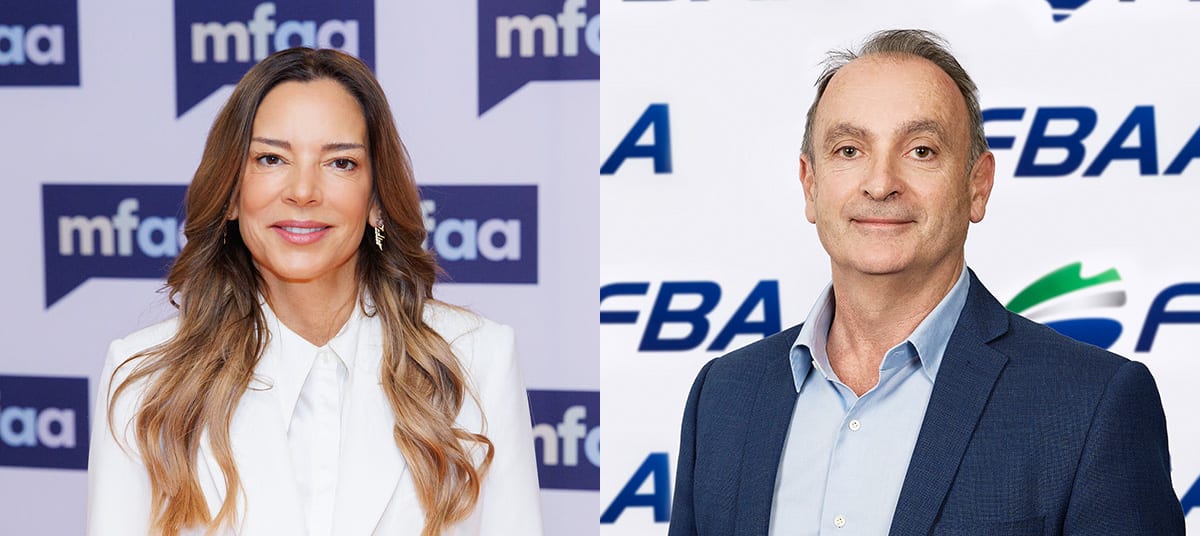
MFAA CEO Anja Pannek said the expansion of the broking channel had heightened the importance of equipping new entrants with capabilities that reflected the breadth of their professional responsibilities.
“We want future brokers to have the practical skills and confidence to support their clients from the first conversation through to settlement and beyond,” Pannek said.
The industry also wants cyber security and the responsible application of emerging technologies, including artificial intelligence (AI), embedded within compulsory coursework.
Further recommendations include sharpening the distinction between the respective obligations of brokers, credit licensees, lenders and other professionals, with assessments tailored to the decisions that fall within a broker’s professional remit.
Industry seeks more direct route to Diploma qualification
Alongside the push for stronger practical competencies, the associations and aggregators have thrown their support behind a standalone Diploma, allowing prospective brokers to pursue the more advanced qualification directly.
The Certificate IV currently provides foundational instruction in assessing borrowers’ circumstances, presenting credit options, compiling loan applications and complying with credit and privacy legislation.
It underpins the minimum educational standards outlined in ASIC’s Regulatory Guide 206, which addresses competency and training obligations within the credit industry.
Meanwhile, the Diploma extends into more sophisticated lending arrangements, specialised borrower circumstances, risk management, regulatory compliance and broking business management.
Although the FBAA accepts the Certificate IV as its minimum educational requirement, the Diploma is an established benchmark across much of the industry, including within the MFAA’s membership framework.
These qualifications are frequently complemented by mentoring and continuing professional development requirements.
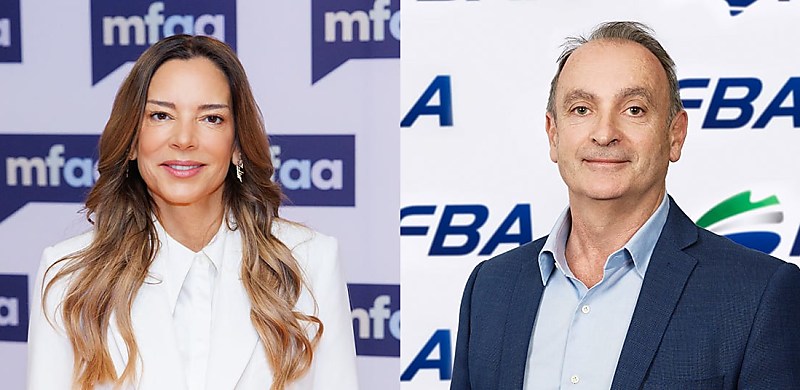
FBAA CEO Leo Gagic said a direct-entry Diploma would allow new entrants to acquire foundational knowledge and demonstrate their practical capabilities through a single course.
However, he stressed that modernising educational standards should not come at the expense of established practitioners.
“Future changes to qualifications must recognise existing qualifications and experience and be supported by appropriate regulatory consultation and transition arrangements as well as grandfathering provisions,” Gagic said.
The associations and participating aggregators have offered to assist the FSO with the further development of course content and assessment criteria.
The FSO’s review, which commenced in September 2025, also encompasses opportunities to better incorporate commercial lending and green finance into vocational education.
The revised qualifications are scheduled to undergo final scrutiny and ministerial endorsement in April 2027, ahead of their anticipated publication on the National Training Register in May.
[Related: New commercial finance broking qualification launched]
Want to see more stories from trusted news sources?
Make The Adviser a preferred news source on Google.
Click here to add The Adviser as a preferred news source.