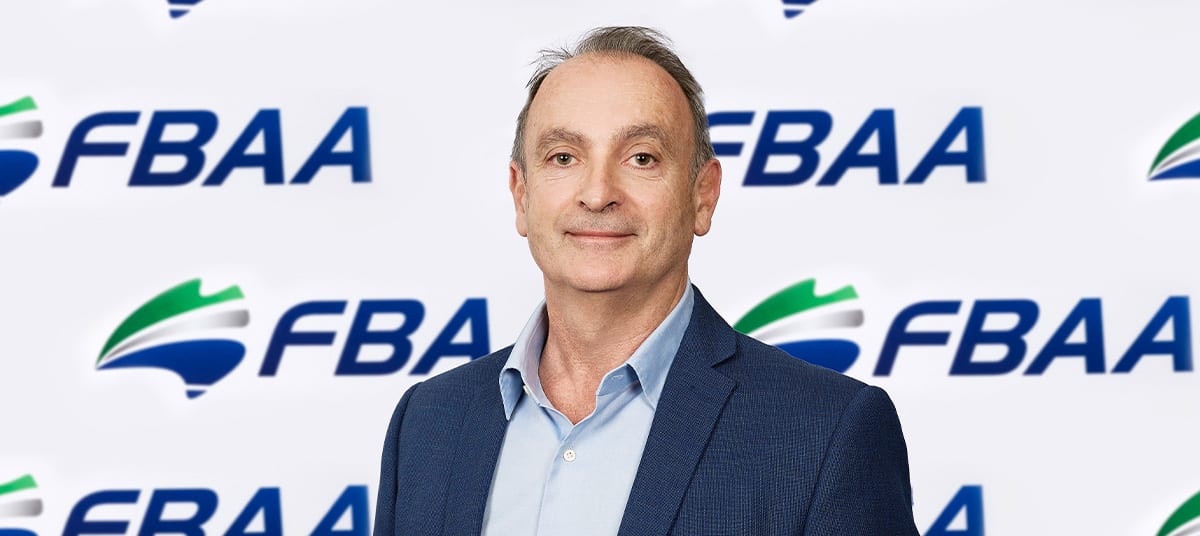
The FBAA has called on ASIC to set up a centralised broker conduct register.
The Finance Brokers Association of Australia (FBAA) has submitted a proposal to the Australian Securities and Investments Commission (ASIC) to explore an independent, centralised broker conduct register.
The FBAA said the proposed register would give lenders and aggregators a more consistent way to assess broker histories, while seeking to protect ethical practitioners from reputational damage associated with misconduct elsewhere in the industry.
FBAA chief executive officer Leo Gagic said currently information about brokers was dispersed among lenders, aggregators and industry bodies.
“Brokers work hard for their clients and play an important role in helping Australians access finance and deserve systems that support them and maintain public confidence,” he said.
Gagic said brokers’ expanding share of Australia’s mortgage market had brought greater scrutiny of professional standards and customer outcomes.
“Every industry has a small number of people who do the wrong thing, and the actions of a few should never damage the reputation of an entire industry,” Gagic noted.
“A centralised register is less about identifying the few who do the wrong thing and more about protecting the thousands of brokers who do the right thing every single day.”
Independent operation and safeguards under consideration
The FBAA suggested an independent credit reporting bureau, such as Equifax or Experian, could operate the register and that under the proposal, lenders and aggregators could use it to assess individual brokers and credit representatives more reliably.
It added that access could potentially extend to industry associations, regulators and, with appropriate limits, consumers.
“Any model would need safeguards around verified conduct outcomes, privacy, procedural fairness, and the correction of inaccurate information,” Gagic explained.
The proposal is contained in an FBAA white paper submitted to ASIC ahead of an industry roundtable on 16 November.
“We've put forward an idea, not a complete solution. We recognise this will take time, but it's a conversation worth having with ASIC and the wider industry that could provide a robust and sustainable solution,” he said.
Building on existing checks and information sharing
The proposal follows longstanding industry calls for closer collaboration to help identify brokers whose employment or commercial relationships have ended because of misconduct.
Associations and aggregators already undertake suitability checks, while reference-checking requirements introduced following the banking royal commission provide a mechanism for sharing professional histories.
ASIC broadened its protocol in August 2024 to enable mortgage aggregators to obtain references about broker licensees and representatives.
The changes also enabled licensees to seek references from current or former aggregators, although those additional requests are discretionary.
The Mortgage & Finance Association of Australia (MFAA) has previously emphasised that association membership screening operates alongside licensing, aggregator oversight, lender accreditation and regulatory supervision.
Together, the MFAA has described those safeguards as “a multi-layered framework designed to promote integrity”.
Fraud investigations sharpen focus on shared intelligence
The push comes against continuing police, lender and regulatory investigations into suspected mortgage fraud, including concerns about artificial intelligence being used to support fraudulent applications.
The current mortgage fraud issue first came to light at the beginning of the year after the Commonwealth Bank of Australia (CBA) self-reported itself to police and corporate regulators over potential mortgage fraud totalling about $1 billion.
Subsequent reporting has put the wider exposure at approximately $4 billion in lending across Australia’s five largest banks.
Following the revelations, AUSTRAC commenced Operation Claw in February, which brought together data from 10 major Australian banks through the financial crimes agency’s Fintel Alliance.
Its findings, released in August, identified potentially hundreds of millions of dollars in suspected fraudulent loans, predominantly associated with Sydney properties.
Investigators identified inflated incomes, inaccurate employment claims and fabricated or unverifiable business activity supporting applications, with some settlements and repayments also involving offshore or third-party funds.
The agency told The Adviser that “recurring involvement of some brokers, accountants and other intermediaries was also identified”.
AUSTRAC confirmed it had referred around 200 brokers, lawyers, accountants and companies to police, tax authorities and the corporate regulator over suspected fraud or questionable conduct associated with obtaining home loans.
The Fintel Alliance separately provided ASIC, the Australian Taxation Office and the Tax Practitioners Board with names of people and entities potentially connected to false application documents for intelligence purposes.
[Related: Former CBA exec’s denial of broker relationship unravels before tribunal]
Want to see more stories from trusted news sources?
Make The Adviser a preferred news source on Google.
Click here to add The Adviser as a preferred news source.