Small-business leaders have warned that the new trust rules could sharply lift tax bills for small businesses, prompting calls for the federal government to rethink the changes.
The Council of Small Business Organisations Australia (COSBOA) has sounded the alarm over the government’s plan to impose a minimum 30 per cent tax on discretionary trusts from 1 July 2028, saying that the change will bite into the cash flow of hundreds of thousands of small businesses that rely on trusts as their core operating structure.
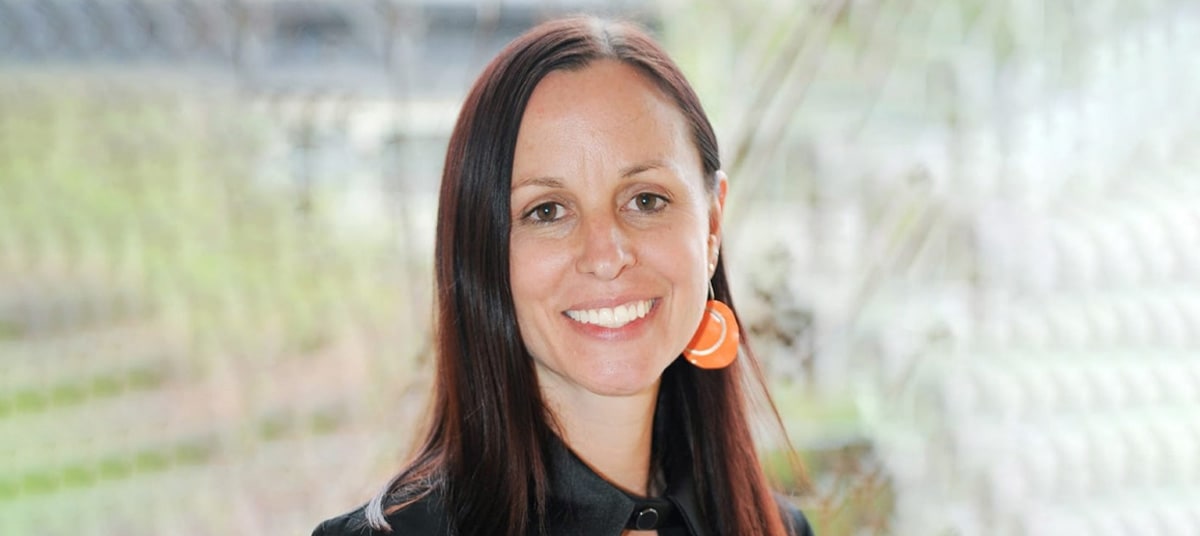
COSBOA CEO Skye Cappuccio said the political debate had focused on high‑income individuals using trusts to manage tax while overlooking the much larger group of day‑to‑day businesses that would also be caught.
“There has been very little attention on the 350,000–400,000 small businesses operating through trust structures, many of whom now expect a significant hike in their tax bill and a direct impact on their business and their livelihood,” Cappuccio said.
“These are small businesses using trusts for legitimate commercial reasons. Most have annual turnover below $2 million and include trades, retailers, hospitality venues, professional services firms and family-run enterprises in communities right across Australia.”
At the heart of COSBOA’s concern is the new minimum tax, which will be levied on trust income at the trustee level.
Individual beneficiaries will receive a non‑refundable credit for that tax, but those taxed at lower personal rates may not be able to use the full credit, while those on higher rates will still pay the difference.
With no grandfathering planned, existing trust structures will be folded into the regime from day one of the new system coming into effect.
Cappuccio said this comes on top of the various pressures small businesses are already absorbing.
“The proposed changes risk putting additional pressure on small businesses at a time when many are already facing rising costs, workforce challenges and difficult trading conditions,” she said.
Family business case study puts numbers on the change
COSBOA highlighted the situation of a husband‑and‑wife team who both work full time in their business and draw no salary, instead taking around $200,000 per year in distributions from their trust.
The association said that, once the minimum tax was applied, their annual tax bill could jump by about $15,000, lifting their total liability to roughly $60,000 and adding around $75,000 over five years.
Cappuccio said this example explained why so many owners felt unfairly singled out and added that for many small-business owners, the decision to use a trust had little to do with chasing lower tax rates.
“Many small-business owners operate their business through a family trust because it is the structure that makes the most sense for their business. These are not businesses using aggressive tax avoidance strategies,” she said
“Trusts provide a legitimate structure to support succession planning, asset protection and business continuity.”
She also said that small operators often left profits in the business rather than paying themselves more, which meant extra tax would reduce the funds available to invest and hire.
“Small-business owners spend years prioritising the needs of their business ahead of their own financial circumstances. Rather than paying themselves more, they often leave money in the business to purchase equipment, manage cash flow, employ staff and prepare for future challenges and opportunities,” she said.
“They make those decisions because they believe in building something that supports their family, creates jobs and contributes to their local community.”
MFAA brings broking voices into the debate
The MFAA has thrown its support behind COSBOA’s Fair Go for Small Business campaign, reflecting concern that many broking businesses are themselves structured through family trusts and could be directly affected by the new rules.
MFAA CEO Anja Pannek said the campaign was a chance for broking businesses to explain how the changes may play out in practice, particularly around succession and long‑term planning.
“Brokers are small-business owners who build their businesses over years, often decades, working with their clients, investing in their teams and their communities. This campaign is an important opportunity for our members to share their experiences and ensure their voice is part of this conversation,” Pannek said.
[Related: HOUSING TAX REFORMS: The latest updates]
Want to see more stories from trusted news sources?
Make The Adviser a preferred news source on Google.
Click here to add The Adviser as a preferred news source.