
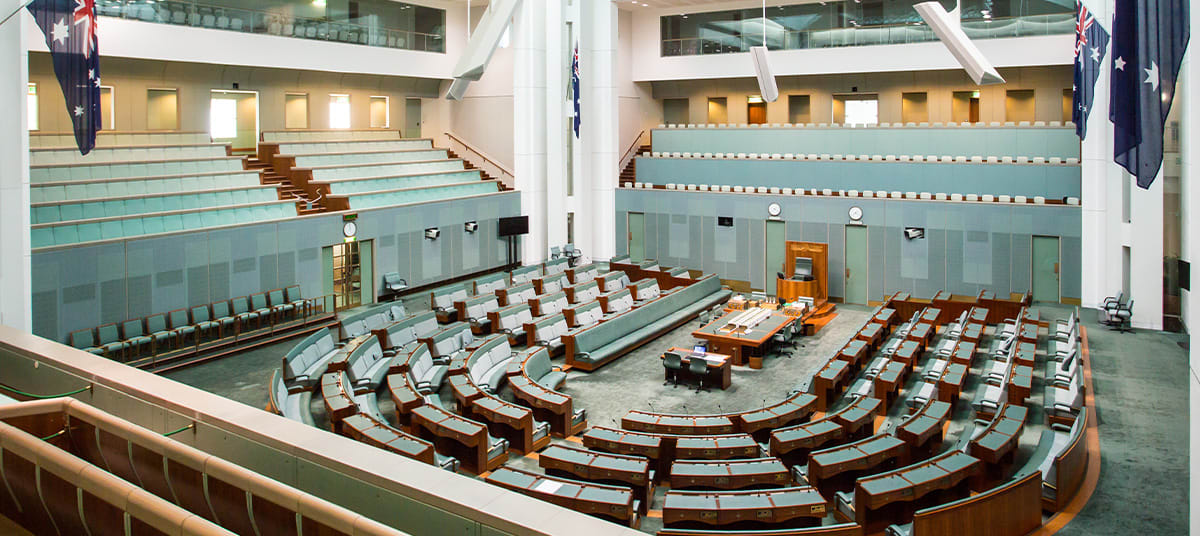
The first tranche of federal budget measures has passed the lower house, including changes to the treatment of capital gains tax and negative gearing.
Changes to the treatment of capital gains tax and negative gearing have passed the House of Representatives but appear likely to face a sterner test in the Senate.
On Thursday (4 June), the legislation progressed through the lower house.
Aimed at addressing “intergenerational inequity”, the changes include adjustments to negative gearing arrangements for established homes and reforms to capital gains tax settings, including a shift away from the 50 per cent discount for established dwellings to an inflation-adjusted indexation method alongside a minimum tax rate on net capital gains.
The bill, which also included the $1,000 instant tax deduction and a $250 tax cut for wage earners, passed by 94 votes to 48.
During its passage, MPs voted against two notable amendments, including one from independent MP Monique Ryan to lift the threshold for small businesses claiming capital gains tax exemptions and another from independent MP Zali Steggall to restrict the capital gains tax changes to property, leaving other assets subject to the existing 50 per cent discount.
Rather than proceeding directly to a final vote, the bill will now be referred to the Senate economics legislation committee after the upper house agreed that any significant law due to commence on 1 July must undergo a short inquiry, reporting by 22 June.
Hearings will be held from 15–16 June.
Under review
The timeline for the inquiry falls short of the wishes of both the Coalition and Greens.
It has been suggested that the Greens, which hold the balance of power in the Senate, may push for even stronger reforms.
In a joint statement issued last week (28 May), Greens senators Nick McKim and Larissa Waters indicated that the review process may inform the shape of the bill to be considered by the Senate.
“We will use this inquiry to examine how and why Labor decided to leave in place the vast majority of tax handouts for the ultra wealthy,” McKim said.
“As with so many parts of Labor’s budget, this bill is a missed opportunity to finally put people ahead of profits and make the ultra-wealthy pay their fair share.
“Labor’s extremely generous grandparenting provisions have left so much money on the table.”
Meanwhile, Waters said the inquiry process will ensure changes get the required scrutiny.
“We are hearing countless young people and first home buyers express their frustration that Labor is letting wealthy property investors keep billions in handouts – an inquiry will help examine the consequences of Labor’s decision on grandfathering,” she said.
[Related: CGT and negative gearing overhaul to face Senate inquiry]
Want to see more stories from trusted news sources?
Make The Adviser a preferred news source on Google.
Click here to add The Adviser as a preferred news source.