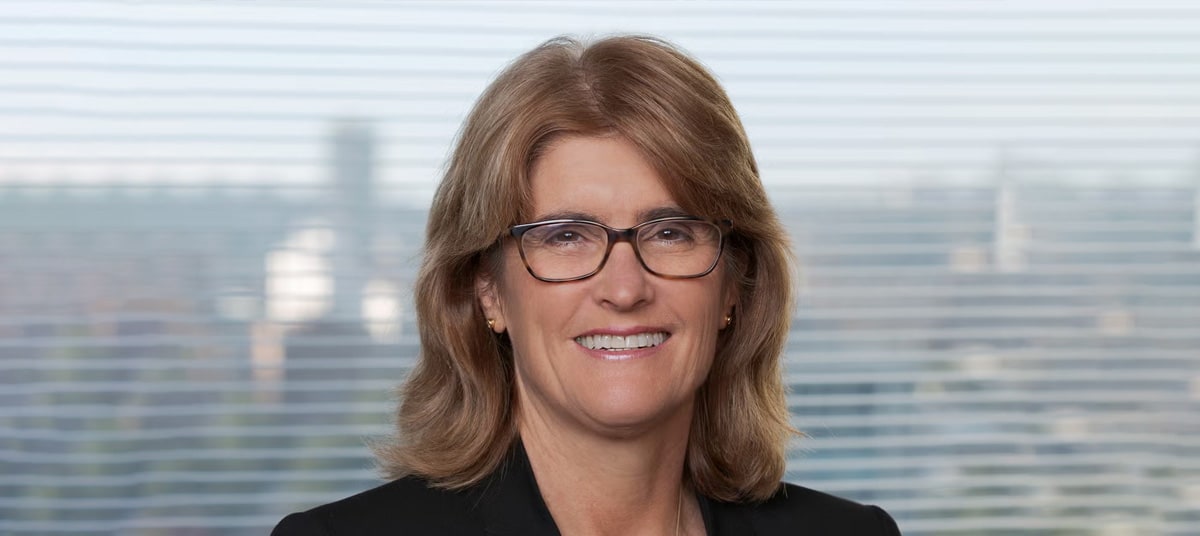
RBA governor Michele Bullock has labelled the new 4.60 per cent cash rate “restrictive”, while warning that further rate rises remain possible.
Reserve Bank of Australia (RBA) governor Michele Bullock has described the current 4.60 per cent cash rate as “restrictive”, while stressing that further rate rises remain on the table if the bank’s four increases this year fail to sufficiently cool inflation.
The RBA’s Monetary Policy Board on Tuesday (29 September) lifted the cash rate by 25 basis points to 4.60 per cent, the highest setting since 2011 and its fourth increase in 2026.
At her post-meeting press conference, Bullock said the bank expected the combined force of its earlier increases and the latest move to weigh on demand, but added that it would act again if required to return inflation to the 2–3 per cent target range
“Domestic spending and investment have been stronger than expected, despite weak sentiment and the softening in housing rates and conditions,” she said.
“We raised interest rates three times earlier in the year. A lot of that effect is still to flow through. What we are predicting here is that this will be restrictive enough and those interest rate increases bring things down.”
Bullock said the RBA would not hesitate to maintain its inflation-fighting stance, while signalling that the current policy setting may ultimately prove sufficient.
“We will do what is needed to bring down inflation. We think the current rate is restrictive,” Bullock said.
Hold or hike debated
Bullock revealed that the board considered holding the cash rate at 4.35 per cent as well as lifting it by 25 basis points.
The argument for holding centred on downside risks, particularly slowing housing market conditions.
However, the board identified three countervailing risks that tipped the balance towards a further rise: escalation in the Middle East conflict, an AI-fuelled investment boom, and persistent domestic capacity constraints.
Conflict adds to domestic pressures
She also said the escalation in the Middle East had already begun to affect the inflation outlook through energy prices.
“We’re seeing signs that upside risks to inflation are materialising. The conflict in the Middle East has escalated again in recent weeks, and oil prices have risen,” she said.
While the Middle East conflict has pushed up fuel, fertiliser and transport costs, Bullock stressed that the RBA’s latest move was not simply a response to an external energy shock.
“This isn’t all about the Middle East conflict. It is making things much worse, but we did start from a position of excess demand anyway, and that’s why we started raising interest rates even before the conflict started,” Bullock said.
“The longer it goes on, I think the more challenging it is to keep [excess demand] in place.”
She described the conflict as a direct hit to Australian living standards.
“The Middle East conflict has been a big shock, and it’s made us all poorer in this country. That is a fact,” she said.
“There doesn’t seem to be any end to it, and that means that prices are permanently higher.”
Bullock acknowledges pain felt by mortgage holders, yet says further hikes possible
The governor acknowledged that the fresh rate rise would be difficult for households with mortgages and businesses carrying debt, but said allowing elevated inflation to persist would impose a wider cost.
“Every household has seen how the price of everything has gone up in recent years. Pay packets don’t go as fast as they used to, and that’s why we need to stop this high inflation," she said.
Responding to criticism that mortgage borrowers were bearing an outsized share of the inflation fight, Bullock said monetary policy affected the economy through far more than variable mortgage repayments.
“Monetary policy is not the only way interest rates work their way through the economy; it works in a variety of ways. I know this is hard for people to understand,” she said.
“People are feeling upset that prices are rising, wages aren’t rising quickly enough, real wage cuts are coming in, and that there has also been a shock from the Middle East that’s made us all poorer. I understand all of this. The best thing we can do is get that inflation rate back to 2–3 per cent.”
She also said aggregate indicators did not point to a system-wide household-stress event.
“Yes, there are people that are hurting, but at an aggregate level there is no evidence of widespread stress,” she said.
Bullock declined to comment on financial-market expectations that the cash rate could rise twice more to 5.10 per cent.
Instead, she said the RBA needed time to assess the delayed effect of the tightening already delivered.
“It hasn’t been a very long time for the rate rises to work their way through the economy; our research shows it can take up to 12 to 24 months to make its full impacts,” she said.
Productivity and political pressure
Bullock said low productivity was limiting the economy’s capacity to grow, create jobs and lift incomes without generating more inflation, while suggesting access to finance could help improve productive investment.
“The bottom line is that productivity is doing nothing; productivity is so important if we want the economy to be able to grow and create jobs,” she said.
Although Bullock stressed that a recession was not the RBA’s central forecast, she added that the bank would accept a harder economic trade-off if inflation expectations became substantially unanchored.
Meanwhile, Treasurer Jim Chalmers said the decision highlighted the role of the overseas conflict and higher energy prices in the inflation challenge.
“The statement makes it abundantly clear that one of the main drivers of inflation in our economy is a conflict on the other side of the world, pushing up global oil prices and being felt right around our economy and indeed right around the world,” Chalmers said.
“Our inflation challenge is being turbocharged by a war on the other side of the world.
“Australians are paying a very hefty price for that war in the Middle East, and today that price became a bit steeper with this decision from the independent Reserve Bank.”
Opposition leader Angus Taylor described the decision as a “dark day” for mortgage holders.
[Related: RBA announces latest cash rate call]
Want to see more stories from trusted news sources?
Make The Adviser a preferred news source on Google.
Click here to add The Adviser as a preferred news source.