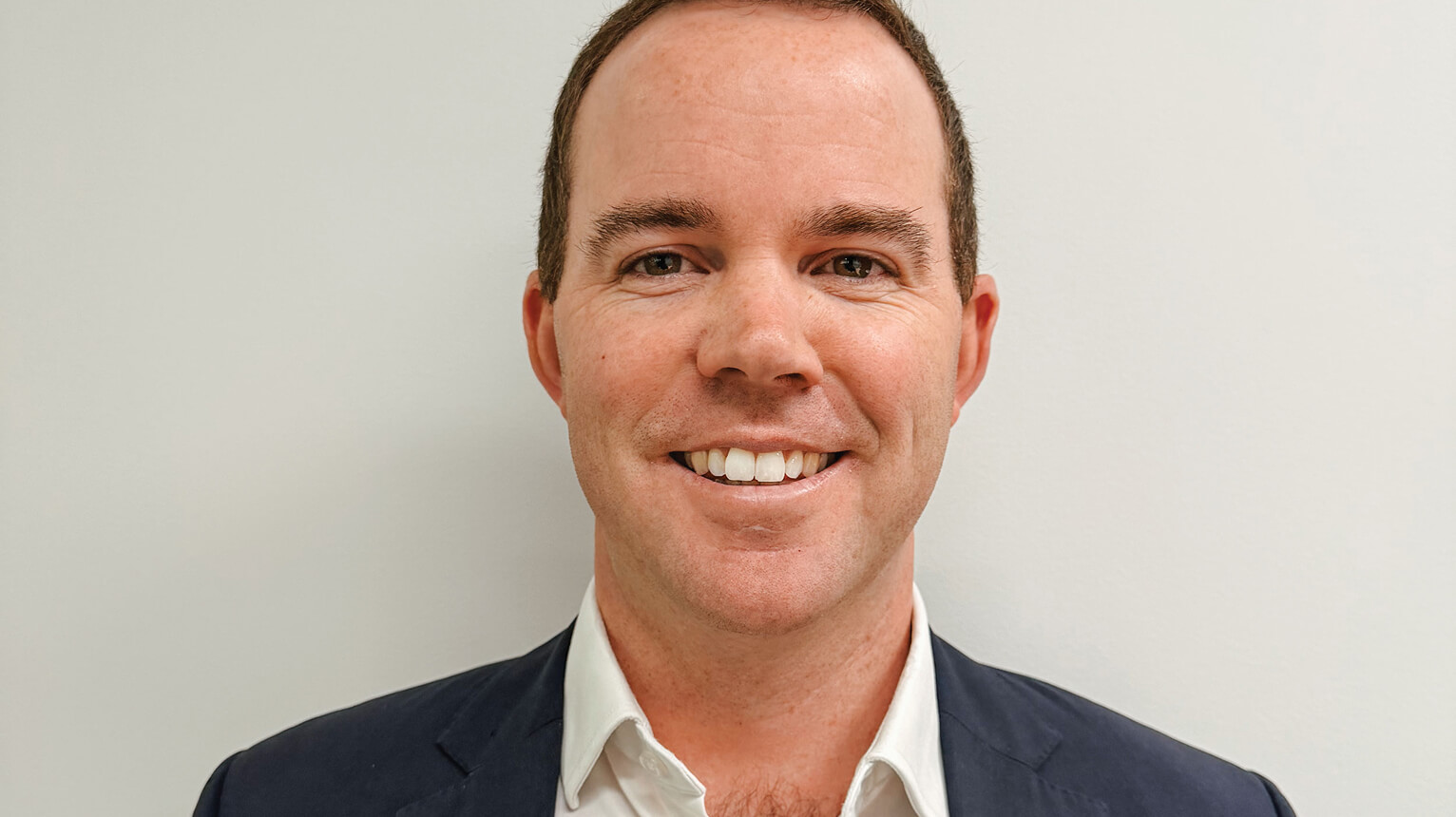



Q. You’re still relatively new to the world of broking. What led you to the industry?
Prior to banking, I was in graphic design – totally left field, different, creative, and nothing to do with money. I wasn’t making any, but that was beside the point.
But I wanted to get into finance somehow. A job in the bank came up, and I thought, “I need to understand how the banks work, how they lend money, what they do”, mainly because I wanted more of it to invest and do what I was doing at the time.
I had a wife with a little one on the way, and I thought, “I need a steady career, job, income.”
Then 17 years later, one thing led to another, and the opportunity to come out of banking to step into broking came up. I took that seriously, about whether I could have another career change. But I just love the whole lending process. It’s a massive commitment for people.
Q. How did you find the adjustment between banking and broking?
Moving into the broking space, my head was spinning for six months. I just could not comprehend – it’s hard enough being over one policy, let alone 50.
It’s almost impossible to be across every aspect of that bank and their quirks, the different criteria that they have and SLAs, and all the rest of it. One thing I learned was the biggest aspect for me getting started was relying on the importance of relationships.
The BDMs were critical. I’d hound them on the phone, email – just give me everything.
I relied on them and that relationship to get me up to speed quickly.
Q. One of the biggest questions a broker has to face is what kind of business they are going to have. What made you arrive at the MoneyQuest route?
I just wanted to write deals. I wanted to hit the ground running straight away because I knew what I was good at, and I could outsource the rest. That was my mentality and business model.
I just need to spend 80 per cent of my time doing what I’m good at and what I love. The rest of the time I need to outsource to someone else that’s better than me. So, that was one aspect, and that forced me to go down the franchise model because they’ve got that support factor.
Q. What advice would you offer to someone who’s never been their own boss before?
It can be daunting. The biggest thing is you want to get some either a mentor or support coach, which is critical not only for your broker to coach specific lending, but also maybe a financial business coach on the side of running a business because it does take a lot of time and effort to be working on your business rather than in your business.
It’s easy to get caught up being a broker and doing lending and the process and then forget about the other aspects of working on your business.
Q. And any advice for new brokers in general?
Surround yourself with others that have been there, done that because you can soak up that information super quick. Learn from them rather than your own mistakes because learning from your mistakes is going to take a lot longer.