



By:
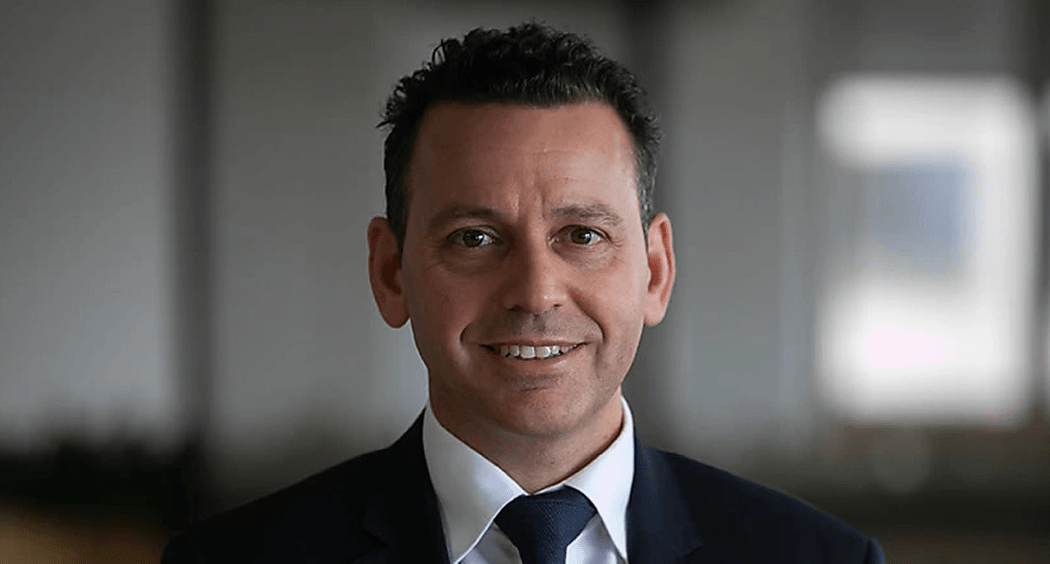
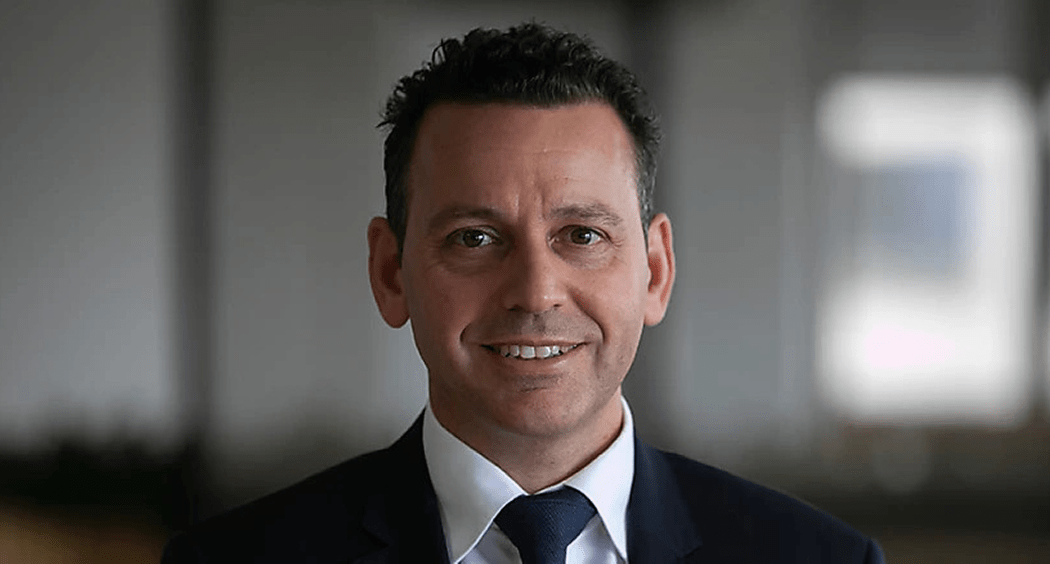
Sergio Delvescovo
National sales manager broker, ING
When you look at borrower activity, it has moderated compared to last year. That has been driven by a combination of higher rates, the cost of living, and the recent federal budget.
Since the budget, we’ve noticed broker lodgements have been down around 18 per cent, and the investor segment has been down about 27 per cent. When you combine those rate rises with the sentiment of the market at the moment, we’re seeing customers getting into a holding pattern.
That said, one thing we have observed is quite significant growth in the refinance segment. As a percentage of flows, we’ve seen the refi segment grow from around 52 per cent to over 60 per cent since the budget. We see that as a great opportunity for both brokers and ourselves.
We’re seeing quite a number of customers refinance to reduce their commitments.
You have customers who are looking at trying to get a better deal and really manage their cash flow. We’re also seeing investors refinancing to get ready to potentially take advantage of the market downturn, particularly in terms of property prices.
Customers are looking at the total value of their proposition. While a competitive interest rate is important, they’re looking at the whole package – the fees, the flexibility, and the service proposition from that lender.
Customers are more informed than ever, with access to information online, but they’re still really relying on the broker to guide them through getting the right deal to meet their needs.
Until the back end of last year, ING was not typically a consideration exactly in self-employed segments. But it’s one thing we’re trying to get out there; brokers can start looking at us for self-employed because we are now catering for those needs.
I think it’s proving popular because it’s flexible. You essentially have three options. You can use company income. Or you have the simplicity of the one-year financials (which caters for a different segment of the market), and you also have the option for customers that want to use director wages.
That flexibility allows us to cater for different structures.
The clawback changes were part of a broader commission framework review. We had a complex commission structure that was creating some uncertainty and wasn’t as transparent as brokers wanted it to be.
We made that change where we basically flattened the upfront structure and changed clawback. For the first year, we still retain that 100 per cent clawback. But in the second year, where between 12 and 18 months, we would typically take a 50 per cent clawback. However, if it’s a sale of property, we are essentially waiving that clawback.
A consistent theme that was coming out of our broker engagement sessions across the country was brokers saying: “In these property sale situations, I have no control. Where’s the fairness?”
We wanted to apply a more fair approach to that structure and hence why we made that change. It has been well received from brokers.
We’re here to listen, and we’re trying to do the right thing to ensure that our brokers continue to be successful.
”We’re here to listen and we’re trying to do the right thing to ensure that our brokers continue to be successful”
- Sergio Delvescovo, national sales manager, ING
One of the key pillars of our strategy is being easy to do business with. We’ve invested quite a bit in technology, and we’re doing a lot of things to try and automate and digitise the process, but you can never take away the personal interactions.
We’ve been growing our sales team, we’ve grown our credit assessment team, and we’ve been upskilling our credit assessment team to be able to do particularly the more complex self-employed kind of structures over the last 12–18 months too.
Tune in to hear more!
Sergio Delvescovo
National sales manager broker, ING
ING
As Australia’s fifth-largest bank, ING is headquartered in Sydney and operates a 24/7 contact centre in Wyong, NSW, serving more than 2 million customers. It is a growing organisation where employees can make a direct impact on a large and diverse customer base.
With a wide range of products and services, ING offers numerous opportunities for employees to develop and advance their careers. Whether their interests lie in retail banking, personal lending, or insurance, there is a place for their expertise at ING.



 3 min read