


Federal budget overhauls investor tax settings
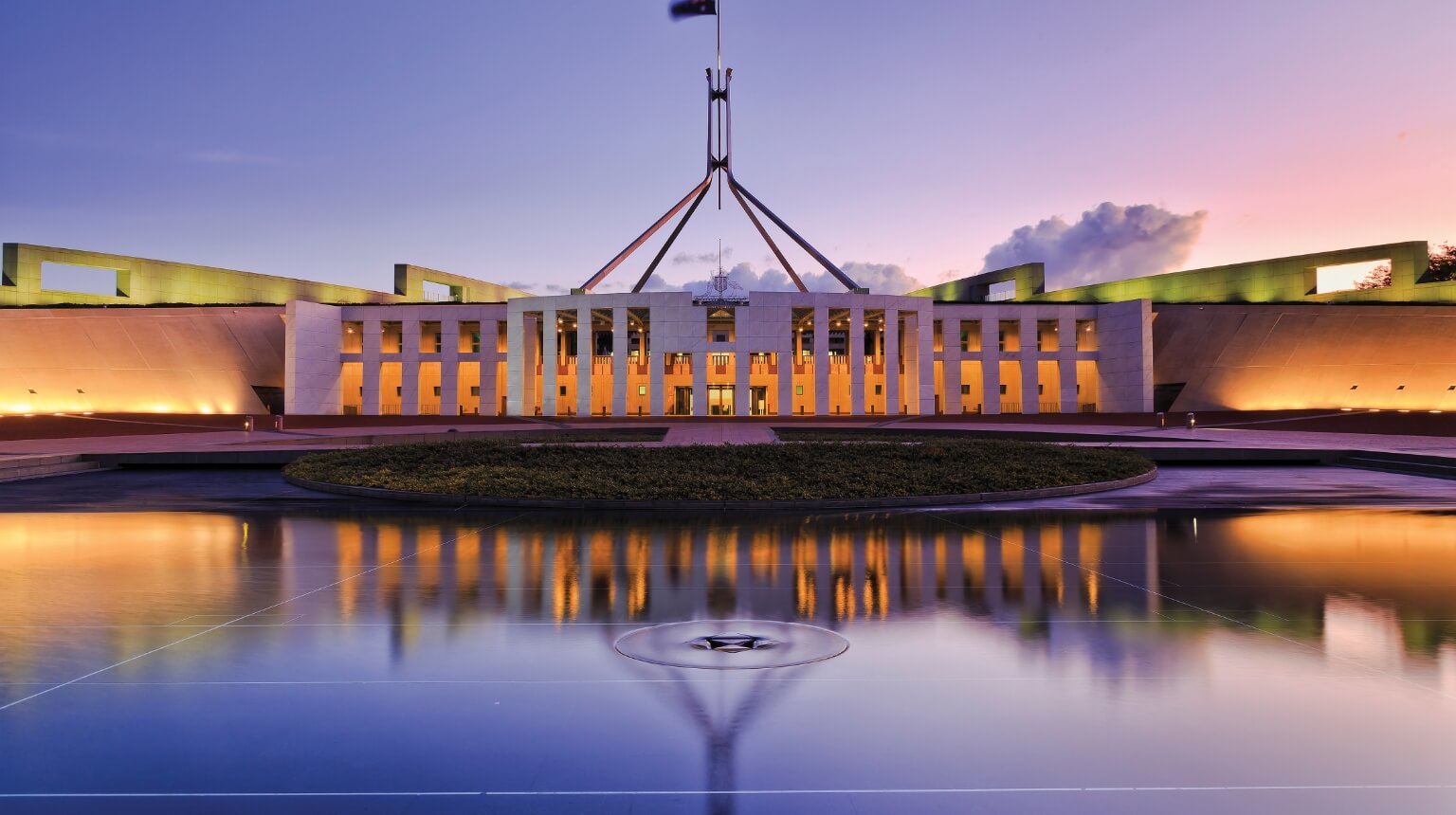
The Albanese government released its 2026–27 federal budget in May, introducing a sweeping tax reform package aimed at addressing what it described as “intergenerational inequity”.
Perhaps the most notable announcement was the government’s decision to abolish negative gearing for established homes from 1 July 2026 and replace the 50 per cent capital gains tax discount for established dwellings with an inflation-adjusted indexation method from 1 July 2027, alongside a 30 per cent minimum tax on net capital gains. In a major policy shift, the government announced reforms to negative gearing and capital gains tax (CGT), saying that the system must better support first home buyers over speculative investors.
Treasury estimates the measures will improve affordability and reduce investor demand, resulting in around 75,000 additional owner-occupiers over the next decade.
Announcing the changes, Treasurer Jim Chalmers said: “This is about one goal: More Australians in a home – whether they own or rent.
“We’re backing this plan with serious investment, lifting our total housing commitment to a record of over $47 billion.
“This is the largest and most comprehensive housing plan Australia has seen in generations.
“It’s too hard for too many Australians to buy their own home and get ahead.
“These housing reforms go to the core of our Budget strategy.
“Dealing with the very real pressures on people right now – while taking responsibility for the challenges facing the next generations.”
Court intervenes in Finsure, Hai Money fallout
The dispute between aggregator Finsure and sub-aggregator Hai Money escalated in May after Finsure moved to terminate its agreement with the brokerage group, amid ongoing mortgage fraud investigations linked to brokers operating under Hai Money’s licence.
The fallout stemmed from the arrest of a former broker, who was alleged to be connected to the so-called “Penthouse Syndicate” fraud network. Following his arrest in late 2025, Hai Money removed 14 brokers from its network and reported them to the Australian Securities and Investments Commission (ASIC), while several major lenders suspended or terminated broker accreditations across the group.
Finsure later cited concerns around fraud risk, compliance oversight, and broader reputational damage in its decision to sever ties with the sub-aggregator, marking a significant escalation in tensions between the two parties.
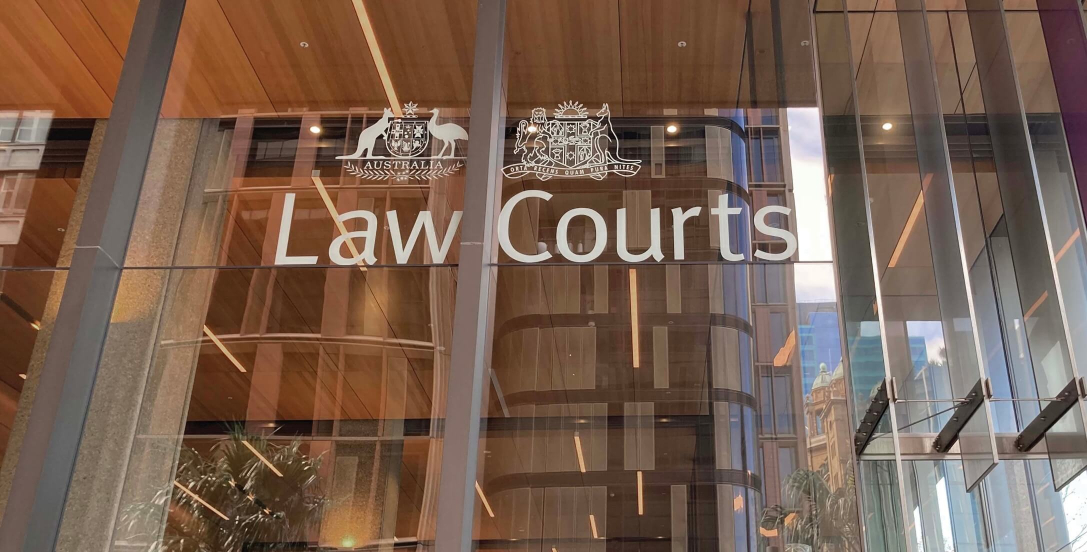
Hai Money subsequently launched legal action in the Supreme Court of NSW, saying the termination was unlawful and would have a disproportionate impact on hundreds of brokers not accused of any wrongdoing. The group also sought urgent orders to prevent the termination from taking effect while the dispute was heard.
The court ultimately granted interim orders temporarily preventing Finsure from immediately cutting ties with Hai Money, effectively preserving the existing arrangement until further hearings.
The dispute continues to play out in the courts, with both parties indicating they will vigorously defend their positions as the case progresses.

RBA delivers third consecutive rate hike
The Reserve Bank of Australia (RBA) Monetary Policy Board announced that it would lift the cash rate in May – delivering its third consecutive 25-basis-point hike for the year.
This took the cash rate from 4.10 per cent to 4.35 per cent. The last time the official interest rate was at 4.35 per cent was from November 2023 to February 2025.
The decision was not unanimous, but only just, with eight members voting to increase the cash rate, while one member voted to leave it unchanged.
Speaking after the decision, RBA governor Michele Bullock said the decision was driven by mounting evidence that the oil shock was starting to seep beyond petrol pumps.
“We’re already seeing that in many firms that are facing cost pressures,” she said. “They’re looking to increase prices of their goods and services if left unchecked, higher costs get embedded into price and wage setting decisions.”
She cautioned that the central bank could not afford to ignore these dynamics.
“These second-round effects could lead to even higher and persistent inflation, and if so, would require even more tightening,” Bullock added.
Coalition vows to limit migration to supply
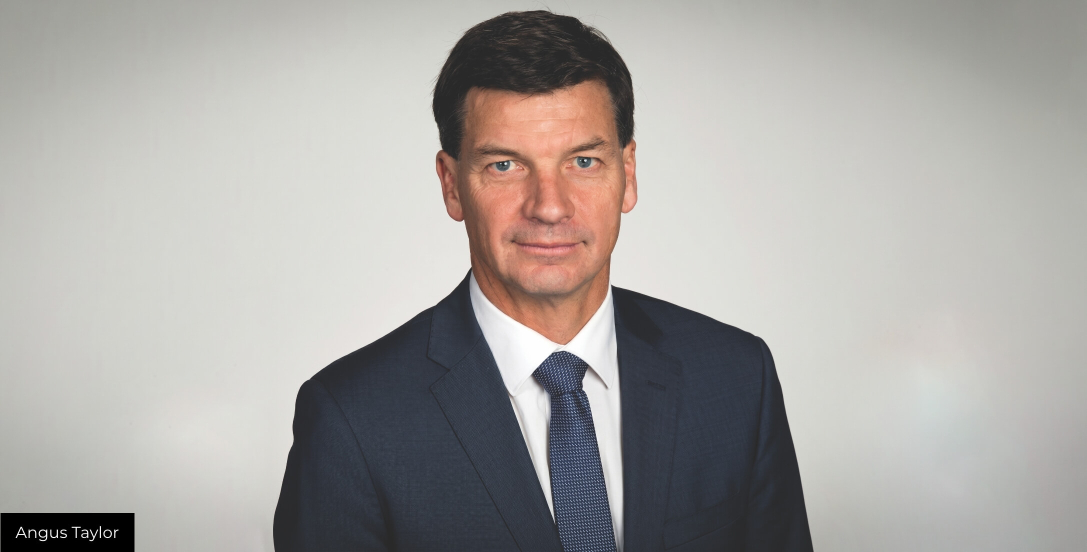
Leader of the Opposition, Angus Taylor, has used his budget reply to pledge that a Coalition government would repeal Labor’s newly announced capital gains tax (CGT) and negative gearing reforms while legally tethering immigration levels to housing construction.
In a direct challenge to the Albanese government’s budget 2026–27, Taylor labelled the current budget “intergenerational fraud” and committed to dismantling the “housing bureaucracy”, including the Housing Australia Future Fund and tax breaks for build-to-rent projects managed by foreign multinationals.
In his speech, which largely focused on curbing migration and prioritising ‘Australian values’, Taylor set out a range of measures to reduce demand for housing and bring about supply.
Taylor announced that a future Coalition government would cap immigration numbers based strictly on the number of dwellings built each year.
Each year, the Minister for Housing will report to Parliament on the number of new homes completed. That number will then set the ceiling for net overseas migration in the following year.
“Never again will a government be able to bring in more people than our housing can support,” Taylor said in his speech.
“If Australia does not build enough homes, migration must come down.
“Mass migration is changing Australia for the worse… the number of people coming in far exceeds the number of houses built.
“With Labor having opened the migration floodgates, the dream of home ownership has become a nightmare.
“Consequently, the great Australian dream of home ownership is vanishing for old and new Australians alike.”