


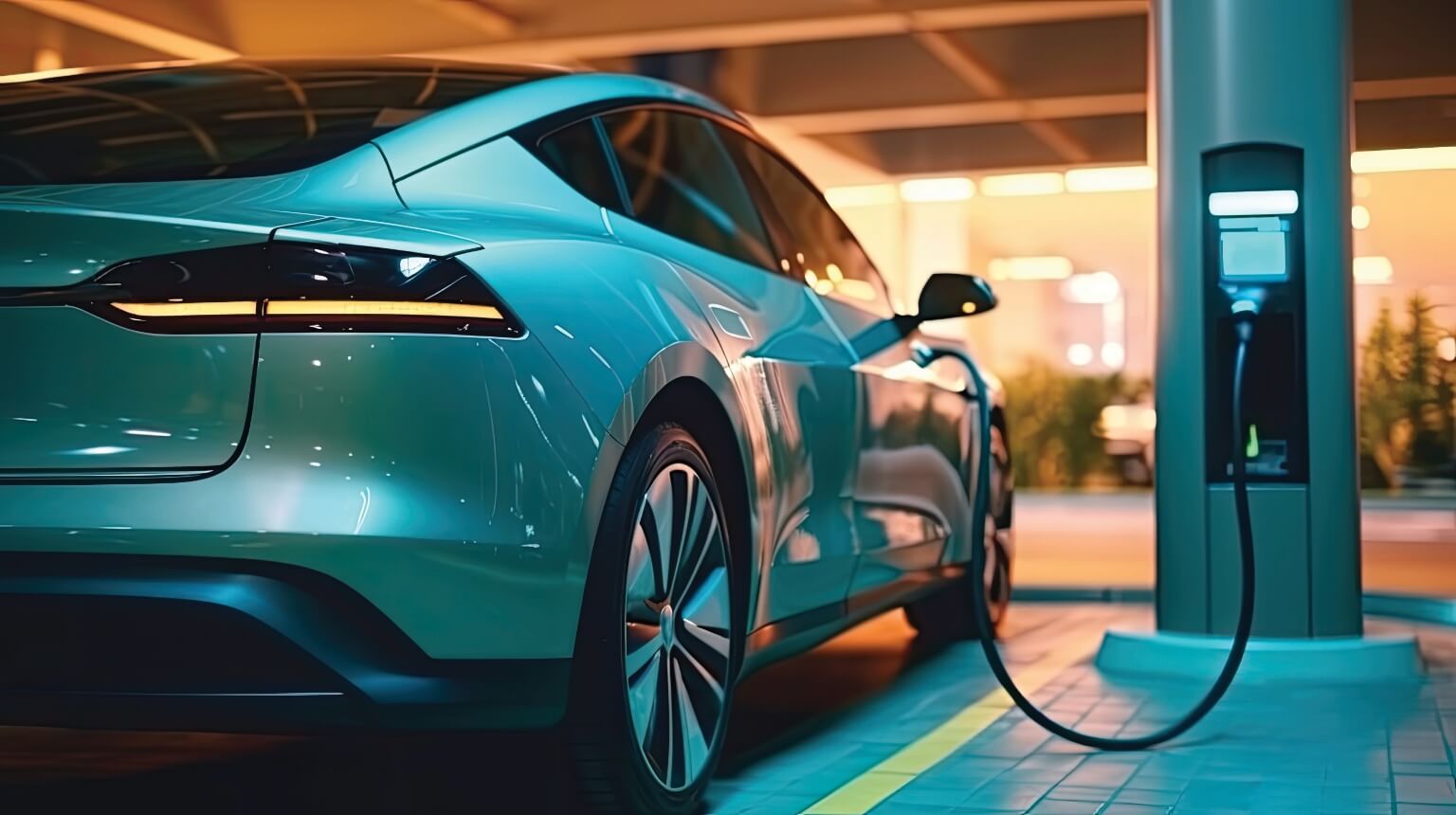
Getting around any part of Australia without a car isn’t easy. But more Australians are thinking harder about what they’re driving and what that choice means for the planet.
As a result, demand for greener vehicle options is booming.
Electric vehicle (EV) sales in Australia hit a record high in the three months to 30 June 2025, according to the Australian Automobile Association’s latest EV index. Sales surged 63.3 per cent to 29,244 vehicles, accounting for roughly 9.3 per cent of all new car sales.
Meanwhile, hybrid sales dipped slightly, down 0.6 per cent to 46,732 vehicles. But after years of steady growth, hybrids remain a strong part of the market, holding a 14.9 per cent share.
Behind the shift are three key drivers: stronger government incentives, better vehicle technology, and rapid improvements to charging infrastructure.
For brokers, that’s where the opportunity clicks into gear.
Driving incentives
One of the biggest changes that’s impacted the green vehicle market is the New Vehicle Efficiency Standard (NVES), introduced on 1 January 2025.
Using the carrot-and-stick approach, this standard pushes manufacturers to deliver new vehicles that use less fuel per kilometre, applying to every new car launched.
Consumers are starting to see the benefit of greater choice. The Electric Vehicle Council’s State of EVs 2025 report shows 153 models are now on the market, up from 123 last financial year.
Charging infrastructure is catching up too. Australia now has 1,272 fast-charging locations – a 20 per cent jump since June 2024 – and at least 4,192 high-power public plugs, up 22 per cent.
Borrowers also benefit from not having to pay fringe benefits tax (FBT) on eligible electric cars and related expenses. However, the exemption was scaled back earlier this year, with plug-in hybrids no longer classified as zero- or low-emissions vehicles.
Julie Delvecchio, CEO of the Electric Vehicle Council, says she expects to see the uptake of electric vehicles continue into the immediate future.
“More Australians are steering towards electric vehicles because they are better for your budget, better for the climate, and better for Australia whether or not you drive an EV. Electric vehicles are the future – our climate targets depend on them,” she says.
“Australia is making progress in the transition to electric cars. In just one year we’ve seen electric vehicles reach record highs, high-power charging locations have been increasing at pace and dozens of new EV models hit the roads.”
Financing the transition
Lenders are increasingly active in this space and tailoring their products to meet demand for sustainable finance, including non-banks such as Metro.
Metro, for example, rolled out a new green lending line for eligible electric vehicles (EVs), energy-efficient equipment, and battery technology, supported by a $50 million investment from the government-owned Clean Energy Finance Corporation (CEFC).
Through the initiative, Metro will use CEFC funding to offer borrowers a 0.5 per cent discount on its standard finance rate, which it will match with a further 0.5 per cent discount – delivering a total rate reduction of up to 1 per cent for qualifying green assets.
Diane Tate, CEO of the Australian Finance Industry Association (AFIA), says the finance industry has an important role to play in driving innovation in green car finance and bringing compelling solutions to market.
“To make cleaner vehicles accessible for all Australians and stay on track for net zero, we need a suite of national policies that are proven to deliver such as upfront discounts, fast-tracked charging infrastructure and stronger public-private partnerships like those with the CEFC,” she says.
“Now is the time to double down, not pull back. In fact, we shouldn’t just be continuing our support for the EV Discount, we should bring it back for plug-in hybrids – these vehicles are really popular, especially as Australia lags on our charging infrastructure.”
Tate also said she believes policymakers could be doing more.
“The finance industry is already doing the heavy lifting to fund Australia’s transition, but we can’t do it alone,” she adds.
“Without clear, consistent, and future-focused policy from the government, we risk stalling just as momentum is building.”
The brokers’ role
With so much change, brokers can play an important role in helping consumers find finance to make this purchase.
John Black, broker at Quinntessential Finance, says brokers who want to stand out need to dig deeper.
“Check that vehicles meet lender CO2 thresholds, highlight government incentives and compare lender perks like fee waivers or charging credits,” he says.
“Educating clients on EV running cost savings and understanding each lender’s sustainability criteria will strengthen proposals and meet the growing demand for cleaner transport finance.”